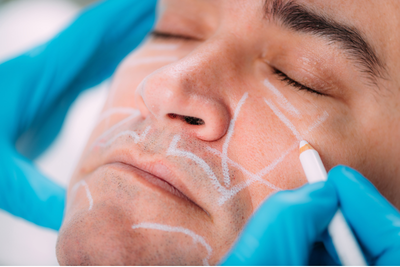
Filler migration is one of the significant complications encountered in aesthetic filler applications, occurring when the injected filler material moves from the targeted area to another location. This condition is frequently observed in dynamic facial regions such as the lips, under-eye area, and nasolabial folds, and can lead to undesired aesthetic outcomes by distorting the natural appearance. In areas with intense facial expressions, the filler material may shift over time, manifesting through symptoms such as puffiness, asymmetry, or blurred contours.
Although filler applications are among the most widely preferred aesthetic procedures today, the application technique, the type of filler used, and the practitioner’s experience directly impact the results. While temporary fillers like hyaluronic acid are generally considered safe, injections performed with incorrect techniques or in unsuitable areas increase the risk of migration. Early detection of filler migration and treatment with correct intervention methods are critical in preventing permanent aesthetic issues. It is possible to prevent this complication through proper application techniques and regular follow-ups.
What Is Filler Migration?
Filler migration is the movement of an injected filler material away from its initial anatomical placement toward neighboring tissues or different facial regions. This condition is a complication frequently encountered, particularly in lip filler applications, and can result in swelling above the lip border, blurred lip contours, or an unaesthetic appearance sometimes referred to as “duck lips.” Instead of remaining in the targeted area, the filler material shifts over time due to facial movements and muscle activity.
This complication usually emerges weeks or months after the procedure, though it can be noticed immediately in some cases. Filler migration is not limited to the lips; it can also occur in the under-eye area, nasolabial folds, chin, and temples. The risk of migration increases especially with repetitive filler applications and when tissues are refilled without sufficient recovery time. When the filler material accumulates within the mucosa or just above the lip border, it can affect facial expressions and severely distort the natural look.
While filler migration is not a dangerous condition, it compromises the quality of aesthetic results and negatively impacts the individual’s facial symmetry. Therefore, injections performed with the correct technique by an experienced practitioner and regular follow-ups play a critical role in minimizing the risk of migration.
Why Does Filler Migration Occur?
Filler migration can result from a combination of various factors. The application technique, type of filler, injection depth, and the patient’s anatomical characteristics directly influence the risk of migration. Below are the primary causes that lead to filler migration:
Incorrect Injection Technique
Injecting the filler material into a layer that is too superficial or into the wrong anatomical plane prevents the substance from remaining stable within the tissue, causing it to move.
Excessive Filler Amount
Adding an excessive amount of filler to the tissue in a single session or through repetitive applications at short intervals exceeds the tissue’s carrying capacity, leading the filler to shift to other areas.
Intense Facial Movements
In areas that are constantly in motion, such as the lips, eye area, and corners of the mouth, muscle activity can displace the filler material over time.
Inappropriate Filler Selection
A filler with the appropriate viscosity and density must be selected for each specific region. Choosing the wrong product increases the risk of migration.
Insufficient Tissue Recovery
Applying new filler before the previous filler is fully absorbed or before the tissue has sufficiently recovered increases the risk of accumulation and migration.
Practitioner Inexperience
Procedures performed by individuals who do not have a thorough command of facial anatomy or lack sufficient experience in injection techniques heighten the risk of filler complications.
In Which Regions Is Filler Migration Most Common?
Filler migration occurs more frequently in mobile areas of the face and regions with a thin skin structure. Due to their soft nature, hyaluronic acid fillers are particularly prone to shifting. The risk increases with improper injection depth, specific tissue structures, excessive amounts, and repetitive applications. The most common areas for migration are the lips, under-eye area, nasolabial folds, jawline, and temples.
The Lips
The lips are the highest-risk area for filler migration, accounting for the majority of cases. Typical signs include swelling just above the lip border, blurred contours, and the aesthetic issue often referred to as a “filler mustache.” The lips are subject to intense muscle activity during speaking and eating.
Accumulation is especially common in the “white lip” area just above the vermilion border. Migration can also occur within the oral mucosa, affecting natural movement. Superficial injections, excessive volume, and frequent touch-ups significantly heighten the risk. Correct injection depth is critical for natural, lasting results.
The Under-Eye Area
Due to its extremely delicate and thin skin, the under-eye (tear trough) is a high-risk zone. If filler is applied at the wrong depth or in excess, it can cause puffiness, bagging, and discoloration. Facial expressions and eye movements can displace the material.
The lymphatic drainage system in this region is also a key factor. If the filler is not placed correctly against the bone, it may shift into soft tissues, leading to noticeable protrusions. Superficial applications or incorrect product choice can also result in the Tyndall effect (a bluish-purple tint). This procedure requires a specialist with a profound command of anatomy.
The Nasolabial Region
Migration risk exists during nasolabial filler applications as well; the material may shift downward or laterally over time. Since this area is exposed to constant mimetic movements like laughing and talking, the filler is susceptible to displacement.
Signs of migration here include asymmetry at the corners of the mouth, deepening of the folds, or the filler sliding toward the lower cheeks. Deep tissue placement is essential to ensure the filler remains unaffected by facial movements.
The Chin and Jawline
Injections along the chin and jawline carry the risk of the filler shifting downward or toward the neck, blurring the definition of the jaw. Muscle activity during chewing and speaking is a primary cause.
Migration in this region typically manifests as asymmetry or irregular contours. To prevent this, higher-viscosity (thicker) fillers should be used and injected onto the periosteum (bone surface) or into deep tissues to ensure stability.
The Temples and Cheekbones
While these areas are vital for restoring facial volume, they are not immune to migration. In the temples, filler may migrate downward toward the outer corners of the eyes, causing unwanted swelling. In the cheekbones, it may shift laterally or downward.
Migration here often leads to facial asymmetry and irregular contours. Because the temple region contains sensitive vessels, it carries both migration and vascular risks. Utilizing deep injection techniques and appropriate filler viscosity is crucial to minimizing these complications.
Harika bir bilgilendirme metni olmuş; dolgu sonrası süreçte bu tür detaylara dikkat etmek gerçekten kritik. Hazırladığın metni, profesyonel ve bilgilendirici tonunu koruyarak İngilizceye çevirdim:
How to Identify Filler Migration?
Filler migration can be treated more easily when detected early. Recognizing the signs and intervening on time prevents permanent aesthetic issues. Below are the primary symptoms and self-check methods to identify filler migration:
Visual Inspection
Examine your face in the mirror from different angles and under various lighting conditions. If you notice swelling, asymmetry, or unexpected volume increase outside the treated area, the filler may have migrated. Irregularities specifically above the lip border, under the eyes, or along the jawline are common signs of migration.
Manual Examination (Palpation)
Gently feel the treated area and its surroundings with your fingers. Migrated filler may be felt as hard nodules, irregular surfaces, or mobile masses outside the target zone. While normal tissue feels soft and homogeneous, migrated filler creates a distinct firmness.
Observation of Mimics and Expressions
Unnatural movements or bulges in the filler area during laughing, speaking, or making facial expressions can indicate migration. Pay close attention if the natural movement of the lips is restricted or if an asymmetrical appearance occurs.
Professional Consultation
In case of any doubt, always consult the physician who performed the procedure or an experienced aesthetic specialist. Filler migration can be definitively diagnosed through a professional examination and, if necessary, ultrasound imaging.
How to Fix Filler Migration?
When filler migration is detected, the most effective treatment method is dissolving the migrated substance. Especially in hyaluronic acid filler applications, the filler can be safely dissolved using the hyaluronidase enzyme. This enzyme breaks down the hyaluronic acid, allowing the body to absorb it naturally, and it typically shows effects within a short period.
The filler dissolving procedure must be performed by an experienced physician, as incorrect application can dissolve both the migrated filler and correctly placed filler. The physician first determines the exact location of the migrated filler and applies the hyaluronidase injection only to that specific area. Post-procedure mild swelling and redness are considered normal and usually subside within a few days.
In some cases, the migrated filler is partially dissolved, followed by a re-application of filler to the correct area. However, it is recommended to wait an adequate amount of time after the dissolving process to allow the tissues to heal and rest completely. For permanent fillers other than hyaluronic acid, migration treatment is more complex and may sometimes require surgical intervention. Therefore, the consequences of migration risk in permanent filler applications can be more serious, making prevention strategies even more crucial.
How to Prevent Filler Migration?
Filler migration is a preventable complication, and the risk can be minimized through correct application techniques and proper patient aftercare. Below are the essential precautions that should be taken to reduce the risk of migration:
- Selecting a physician who is well-versed in facial anatomy, experienced in injection techniques, and trained in aesthetic medicine significantly reduces the risk of migration. Review the physician’s previous work and check their references.
- Fillers with the appropriate viscosity and density must be selected for each specific facial area. Excessive amounts of filler should be avoided, and natural results should be the goal. A gradual filler approach is safer than applying too much filler in a single session.
- The filler substance must be injected into the correct anatomical plane and at the appropriate depth. Applications that are too superficial increase the risk of migration. The choice between a cannula or needle should be made based on the characteristics of the treated area.
- Avoid intense facial massages, excessive facial expressions, and strenuous physical activities for a certain period following the procedure. Refrain from applying pressure to the treated area and avoid sleeping face down.
- Attend regular physician check-ups after the filler application and consult your doctor immediately if you notice any early-stage abnormalities. Allow for an adequate amount of time between repeat filler applications.
Maintaining Naturalness in Filler Applications
The primary goal in aesthetic filler applications is to achieve natural and harmonious results. Filler migration and other complications often arise from excessive use of filler and deviating from natural aesthetics. In facial aesthetics, the “less is more” principle applies, and a gradual approach consistently yields safer and more aesthetic outcomes.
For a natural appearance, filler applications must consider the overall balance and proportions of the face. Instead of focusing on just one area, all facial features should be evaluated harmoniously. For instance, when performing lip fillers, care should be taken to ensure the lips remain proportional to other facial characteristics. Excessive volume increase not only heightens the risk of migration but also creates an artificial look.
Small touch-ups performed at regular intervals produce more successful and safer results than major changes made all at once. Time must be allowed for the tissues to accept and integrate the filler substance. Furthermore, since every individual’s facial structure, skin quality, and aging patterns are unique, personalized treatment plans should be created.
Maintaining naturalness both increases aesthetic satisfaction and minimizes the risk of filler complications. A patient and conscious approach to facial fillers ensures the most satisfying results in the long run.