Is Filler Safe? Understanding Dermal Fillers and Their Safety Profile
Dermal fillers have revolutionized aesthetic medicine by offering minimally invasive solutions for facial rejuvenation and enhancement. These injectable treatments address volume loss, smooth wrinkles, and enhance facial contours without the downtime associated with surgical procedures. While millions of filler treatments are performed safely each year, understanding their composition, proper application techniques, and potential risks is essential for anyone considering these procedures.
What are Filling Applications and for What Purposes are They Done?
Dermal fillers are injectable substances placed beneath the skin’s surface to restore lost volume, smooth lines, or enhance facial features. These treatments counteract the natural aging process during which facial fat, collagen, and hyaluronic acid diminish. Unlike surgical procedures, fillers provide immediate results with minimal downtime, typically taking 15-60 minutes depending on the areas treated.
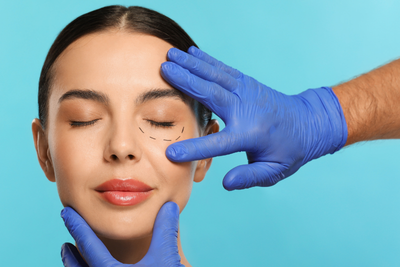
The versatility of fillers allows practitioners to address multiple aesthetic concerns across various facial regions. Common applications include smoothing nasolabial folds (smile lines), marionette lines, and restoring volume to sunken cheeks. Lip enhancement represents another popular application, creating fuller lips, improving definition, or correcting asymmetry. Advanced techniques include non-surgical rhinoplasty, chin augmentation, and tear trough treatment for under-eye hollows. Each application requires specific filler consistency and injection depth to achieve natural-looking results.
Beyond cosmetic applications, dermal fillers serve important therapeutic purposes. They effectively improve depressed scars from acne, injuries, or surgical procedures by elevating the scar tissue. For patients with HIV-associated lipoatrophy, fillers restore normal facial contours and improve quality of life. Some practitioners also use fillers to correct facial asymmetries from conditions like Bell’s palsy or to reconstruct facial features following trauma or cancer surgery.
The FDA has established age guidelines for dermal filler treatments, generally approving their use for individuals 22 years and older. This restriction acknowledges that facial development continues into early adulthood. Treatment goals evolve across age groups – younger patients (20s-30s) typically seek enhancement of natural features, middle-aged patients (40s-50s) focus on early volume restoration, while older individuals (60+) benefit from more comprehensive volume replacement and wrinkle reduction.
Filling Materials Used and Safety Standards
Hyaluronic acid (HA) fillers dominate the market, accounting for approximately 85% of all filler procedures worldwide. This naturally occurring substance attracts and binds water molecules, creating volume and hydration in the skin. The molecular structure of HA can be cross-linked to various degrees, creating different consistencies suitable for specific facial areas. Most modern HA fillers incorporate lidocaine to reduce discomfort during injection. Their reversibility represents their most significant safety advantage, as they can be dissolved with hyaluronidase if complications occur.
Beyond hyaluronic acid, several other filler categories exist with distinct properties. Calcium hydroxylapatite (CaHA) fillers stimulate natural collagen production while providing immediate volume, lasting approximately 12-18 months. Poly-L-lactic acid (PLLA) fillers gradually stimulate collagen production over several months, with results lasting up to two years. Polymethylmethacrylate (PMMA) fillers contain tiny microspheres that remain permanently in the skin, providing long-term support but carrying higher risks of complications.
The FDA maintains stringent standards for dermal fillers, requiring extensive clinical testing before approval for specific indications. This process includes multiple phases of clinical trials evaluating both safety and efficacy. Manufacturers must demonstrate consistent product quality, sterility, and stability throughout the shelf life of their fillers. The FDA notes that while individual fillers may be approved, the safety of combining multiple types of fillers or using them with other treatments has not been comprehensively evaluated in controlled clinical studies.
Safety standards extend significantly to practitioner qualifications and injection techniques. Medical professionals must possess comprehensive knowledge of facial anatomy, particularly regarding blood vessels, nerve pathways, and tissue planes. Proper injection techniques include aspirating before injecting in high-risk areas, using cannulas rather than needles in certain regions, and injecting slowly with minimal pressure. Legitimate practitioners maintain complete medical records, document pre-treatment appearance, and obtain thorough informed consent discussing both common and rare risks.
Risks and Side Effects
Common side effects following dermal filler injections typically remain mild and temporary, resolving within days to weeks without intervention. Injection site reactions include redness, swelling, tenderness, and occasional bruising – all expected responses to needle penetration. The extent of these reactions varies based on treatment area, with highly vascular regions like lips experiencing more pronounced swelling. Some patients develop small nodules or lumps, particularly when fillers are injected too superficially. The Tyndall effect presents as a bluish discoloration visible through thin skin when hyaluronic acid fillers are placed too superficially, most commonly affecting the under-eye area.
Vascular complications represent the most serious risk associated with dermal fillers, occurring when filler material accidentally enters a blood vessel. This complication, while rare (estimated at less than 0.001% of injections), requires immediate recognition and intervention. Certain facial areas carry higher risk due to their vascular anatomy, particularly the glabellar region (between eyebrows), nasal region, and temples. Initial signs of vascular occlusion include immediate blanching followed by bluish-gray discoloration, disproportionate pain, and changes in skin texture.
Infection following filler injections remains relatively uncommon when proper sterile technique is employed, but represents a significant complication when it occurs. Bacteria introduced during injection can cause localized infection presenting as increased pain, progressive redness, warmth, and swelling that worsens rather than improves. Biofilms – colonies of bacteria that form a protective matrix – pose a particular challenge, as they can develop around filler material and resist standard antibiotic treatment. These biofilms may remain dormant initially, then activate months or even years later in response to trauma or illness.
Delayed complications can emerge weeks, months, or even years after filler placement, particularly with longer-lasting or permanent fillers. These include inflammatory reactions, granuloma formation, or migration of filler material from the original injection site. Some patients experience delayed hypersensitivity reactions, presenting as persistent redness, swelling, or nodules long after the initial healing period. Unlike temporary HA fillers, complications with permanent fillers often prove more challenging to manage, sometimes requiring oral steroids, intralesional steroid injections, or even surgical excision for resolution.
Can Filling Application Be Risky?
The safety profile of dermal fillers depends critically on practitioner expertise and qualifications, with complication rates varying significantly based on injector experience and training. Healthcare professionals with specialized training understand the three-dimensional anatomy of facial blood vessels, nerves, and tissue planes – knowledge essential for avoiding serious complications. These qualified practitioners recognize anatomical danger zones and modify their injection techniques accordingly. Experienced clinicians recognize early warning signs of complications and can intervene promptly. For optimal safety, patients should seek treatment only from board-certified dermatologists, plastic surgeons, facial plastic surgeons, oculoplastic surgeons, or other medical professionals with documented training in cosmetic injections.
Product selection and quality directly impact the safety profile of filler procedures, with significant differences between FDA or CE approved products and unregulated alternatives. Legitimate fillers undergo extensive testing to establish their safety profile when used as directed. Conversely, counterfeit products, black market fillers, or substances not intended for cosmetic injection carry substantial risks. Particularly concerning are reports of non-medical substances being used as dermal fillers, including industrial silicone, mineral oil, petroleum jelly, and even household materials. These unauthorized substances can trigger severe inflammatory reactions, granulomas, infections, migration to distant body areas, and permanent disfigurement. Patients should verify that their practitioner uses only legitimate, FDA and CE approved fillers obtained through authorized distribution channels.
Medical history and patient selection play crucial roles in filler safety, as certain conditions significantly increase complication risks. Individuals with autoimmune disorders may experience unpredictable inflammatory responses to fillers. Patients with multiple severe allergies or history of anaphylaxis face increased risk of hypersensitivity reactions. Active skin infections, herpes outbreaks, or inflammation at the treatment site represent absolute contraindications to filler injection. Certain medications, particularly blood thinners, substantially increase bruising risk and may complicate management if vascular complications occur. Additionally, pregnancy and breastfeeding generally warrant postponing elective cosmetic procedures due to limited safety data in these populations.
Post-treatment care significantly influences both outcomes and safety of filler procedures. Patients should avoid strenuous exercise, excessive heat exposure, and alcohol consumption for 24-48 hours after treatment, as these activities increase blood flow and may worsen swelling or bruising. Gentle application of cold compresses helps reduce initial swelling, while avoiding pressure or massage of treated areas prevents filler migration. Patients should remain vigilant for warning signs requiring urgent medical attention, including unusual pain, blanching of the skin, dusky or bluish discoloration, or changes in skin texture beyond expected bruising. The ability to recognize and respond promptly to potential complications can prevent progression to more serious issues. Additionally, patients should attend recommended follow-up appointments, allowing practitioners to evaluate results and address any emerging concerns.
Source
American Academy of Dermatology. (2023). Dermal Fillers: Safety Guidelines and Best Practices.
American Society of Plastic Surgeons. (2023). Dermal Fillers Safety Guidelines.
Emory Healthcare. (2023). Ensuring Safety with Dermal Fillers and Botox.
Food and Drug Administration. (2024). Dermal Filler Do’s and Don’ts for Wrinkles, Lips and More.
Harvard Health Publishing. (2023). Dermal fillers: The good, the bad and the dangerous.
Mayo Clinic. (2024). Facial fillers for wrinkles.
World Health Organization. (2023). Guidelines for Safe Cosmetic Procedures.