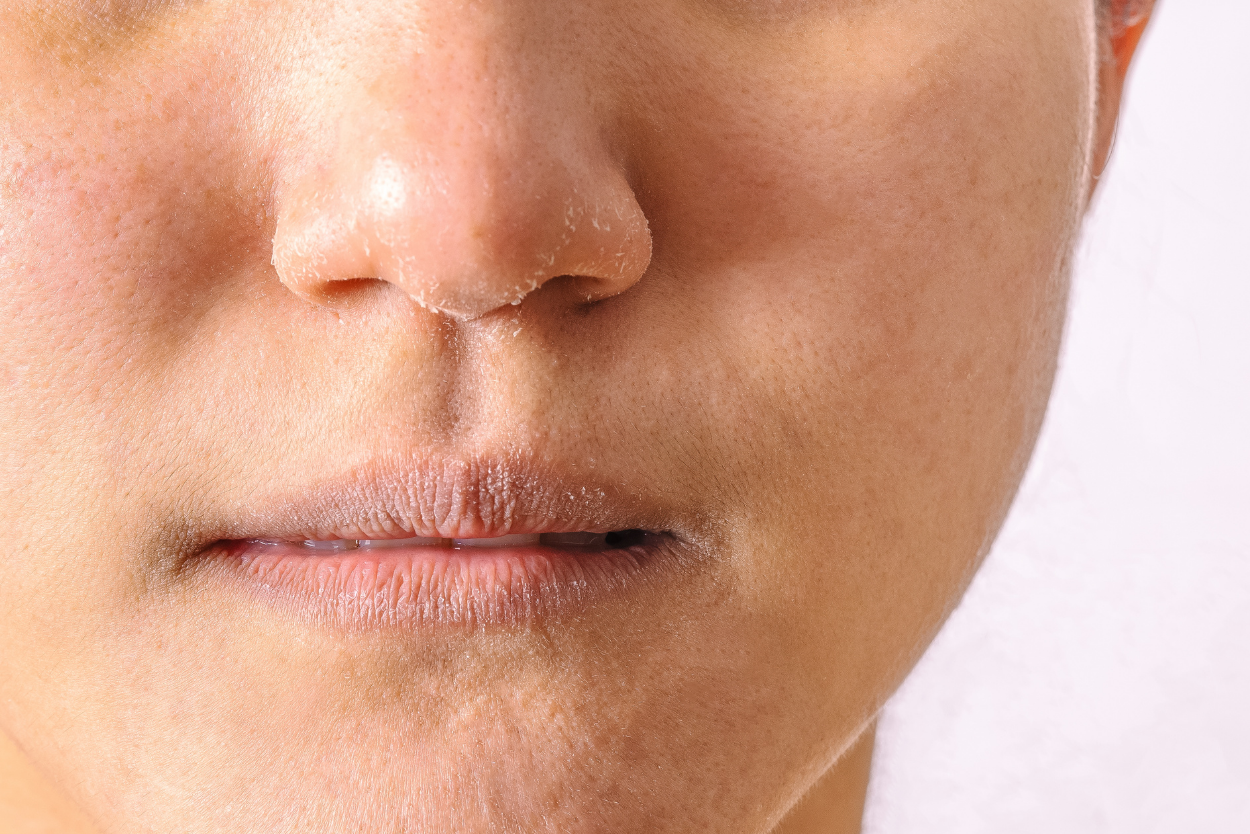
Dry skin is a common skin concern that affects many people today. Especially during the winter months, harsh weather conditions or improper skincare habits can disrupt the skin’s moisture balance, making them among the most common triggers of this condition. Dry skin may present with uncomfortable symptoms such as tightness, flaking, itching, and even cracking. If these signals from the skin are ignored, the condition can gradually worsen and negatively affect everyday comfort.
It can be misleading to assume that dry skin is caused solely by external factors. The body’s internal balance, dietary habits, and vitamin and mineral levels also directly influence the skin’s ability to retain moisture. In addition, certain chronic conditions and genetic predispositions can make dry skin a persistent concern. The fact that dry skin often becomes more pronounced during seasonal transitions and periods of stress is a clear indication of this multifaceted relationship.
Understanding the main causes of dry skin, which vitamin deficiencies may trigger this condition, and the practical solutions that can be incorporated into daily life is of great importance. Taking the right steps to manage dry skin can have a positive impact on both your appearance and your overall skin health in the long term.
What Is Dry Skin?
Dry skin, also referred to in medical terminology as “xerosis,” is a condition that occurs when the skin is unable to retain sufficient moisture. The outermost layer of healthy skin contains natural oils and lipids that help prevent moisture loss. When this protective barrier weakens or becomes damaged, the skin becomes more vulnerable to external factors and begins to dry out. This barrier also serves as the first line of defense against harmful microorganisms and environmental pollutants.
Dry skin can occur at any age and in any skin type. However, it is more common among older adults, as the skin’s natural oil production decreases with age. Dry skin is not only an aesthetic concern; it is also a condition that weakens the skin’s protective function and can create a favorable environment for infections. Therefore, recognizing it early and addressing it with the appropriate methods is of great importance. The fact that the symptoms appear mild does not necessarily mean that the underlying cause is insignificant.
What Causes Dry Skin? The Main Causes
There is rarely a single cause behind dry skin; instead, it is often the result of multiple interconnected factors. It should be evaluated from a broad perspective, ranging from environmental conditions and daily habits to dietary patterns and underlying health issues. Since each individual’s skin type and lifestyle are different, the underlying cause of dryness may also vary from person to person.
To maintain the skin’s moisture balance, it needs support from both external and internal factors. Weather conditions, the skincare products used, bathing habits, and the body’s overall hydration level are among the main factors that directly affect this balance. In addition, certain chronic conditions and genetic factors may negatively impact the skin’s structure and its ability to retain moisture. Correctly identifying the cause of dry skin increases the effectiveness of the chosen solutions and helps prevent the problem from recurring. Ignoring the underlying cause, on the other hand, may lead to the condition reappearing after only temporary improvement.
Environmental and Climatic Factors
Cold and windy weather is one of the most significant environmental factors that increase the rate at which the skin loses moisture. During the winter months, the combination of low outdoor humidity and the dry air created by indoor heating systems can negatively affect the skin. In the summer, spending extended periods in air-conditioned environments may produce a similar effect. Naturally low-humidity regions, such as high-altitude areas and desert climates, are also among the climatic conditions that can trigger dry skin. During seasonal transitions, the skin may need time to adapt to these changes, and additional care may be necessary throughout this period.
Hot Water and Chemical Exposure
Taking long, hot showers or baths can strip away the skin’s natural oil layer, leading to moisture loss. Harsh detergents, fragranced soaps, and alcohol-based cleansers can also weaken the skin’s protective barrier. Frequent exposure to chlorinated pool water and certain household cleaning products may have a similar effect. For this reason, it is important to choose gentle, moisturizing cleansing products as part of your daily skincare routine and to keep bathing times short. Individuals with sensitive skin should be particularly mindful of these habits.
Underlying Medical Conditions (Eczema, Psoriasis, Dermatitis)
Chronic skin conditions such as eczema, psoriasis, and contact dermatitis are among the most common medical causes of dry skin. These conditions can impair the skin’s barrier function, leading to excessive moisture loss and itching. Systemic conditions such as thyroid disorders and diabetes may also negatively affect the skin’s moisture balance. If an underlying medical condition is present, using a moisturizer alone may not be sufficient, and consulting a dermatologist may be necessary. Skincare routines applied without an accurate diagnosis may sometimes mask the symptoms but do not address the underlying cause.
Inadequate Water Intake and Dehydration
Not consuming enough water can disrupt the skin’s moisture balance from within. During dehydration, the body prioritizes supplying vital organs, reducing the amount of water delivered to external tissues such as the skin. This can decrease the skin’s elasticity and result in a dull, tight appearance. Excessive consumption of caffeinated and alcoholic beverages may also contribute to dry skin by increasing fluid loss from the body. Drinking enough water on a regular basis is a fundamental step in maintaining healthy skin. Individuals with an active lifestyle are especially encouraged to pay close attention to their daily fluid intake.
Which Vitamin Deficiencies Can Cause Dry Skin?
Diet is an important factor that has a significant impact on skin health. Deficiencies in certain vitamins and nutrients can reduce the skin’s ability to retain moisture and worsen the symptoms of dryness. These deficiencies are more commonly observed in individuals who follow restrictive or monotonous diets. The main nutrient deficiencies associated with dry skin are summarized below:
- Vitamin A: Supports the renewal of skin cells; a deficiency may cause the skin to become dry and flaky.
- Vitamin D: Strengthens the skin’s barrier function; insufficient levels may increase moisture loss.
- Vitamin E: Protects the skin from external factors through its antioxidant properties; a deficiency may contribute to dryness and sensitivity.
- Vitamin C: Contributes to collagen synthesis; inadequate intake may reduce the skin’s elasticity.
- Omega-3 Fatty Acids: Support the skin’s lipid barrier; a deficiency may lead to dry and sensitive skin.
Vitamin A (Retinol) Deficiency and the Skin
- Cell renewal: Vitamin A supports the regular turnover of skin cells. When deficient, this process slows down, leaving the skin looking dull and dry.
- Moisture barrier: Adequate vitamin A helps maintain a healthy protective barrier, allowing the skin to retain moisture more effectively.
- Prevention of flaking: A deficiency may result in noticeable flaking and roughness, particularly on areas such as the elbows, knees, and legs.
- Food sources: Carrots, sweet potatoes, spinach, and eggs are rich sources of vitamin A.
- Supplementation: If adequate intake cannot be achieved through diet alone, supplementation may be considered after consulting a healthcare professional.
The Effects of Vitamin D Deficiency on the Skin
- Barrier function: Vitamin D contributes to maintaining the strength of the skin’s lipid barrier, which protects it from external factors.
- Inflammation control: Adequate vitamin D levels may help reduce skin inflammation, while deficiency can worsen conditions such as eczema.
- Moisture retention: A deficiency can reduce the skin’s ability to retain moisture, making dryness more noticeable.
- Sunlight exposure: A significant portion of the body’s vitamin D is produced through exposure to sunlight, meaning people who spend most of their time indoors may be at greater risk of deficiency.
- Seasonal effects: Reduced sunlight exposure during the winter months may lower vitamin D levels and indirectly contribute to increased skin dryness.
Dry Skin Caused by Vitamin E and Vitamin C Deficiencies
- The antioxidant effects of vitamin E: Vitamin E protects the skin from free radical damage. A deficiency can make the skin more prone to dryness and sensitivity.
- Vitamin C and collagen: Vitamin C supports collagen production, helping to maintain the skin’s firmness and elasticity.
- Wound healing: Both vitamins contribute to the skin’s repair process, and deficiencies may slow healing.
- Food sources: Citrus fruits, kiwis, and broccoli are rich in vitamin C, while hazelnuts, sunflower seeds, and olive oil are excellent sources of vitamin E.
- Synergistic effect: When consumed together, vitamins E and C can complement each other’s functions and provide more comprehensive support for skin health.
Omega-3 Fatty Acid Deficiency
Omega-3 fatty acids are among the essential building blocks of the skin’s lipid barrier. Insufficient intake of these fatty acids can reduce the skin’s ability to retain moisture, leading to symptoms such as dryness, flaking, and itching. It may also promote inflammatory processes and worsen skin conditions such as eczema. Fatty fish such as salmon and mackerel, as well as walnuts and flaxseeds, are among the richest dietary sources of omega-3 fatty acids. Individuals who follow a plant-based diet are encouraged to explore various options to meet their omega-3 needs. If adequate intake cannot be achieved through diet, supplementation may be considered in consultation with a healthcare professional.
What Are the Symptoms of Dry Skin?
Dry skin can present with a wide range of symptoms, from mild to severe. The symptoms may vary depending on an individual’s skin type, age, and the environmental conditions they are exposed to. The most common symptoms include:
- A feeling of tightness: Especially after washing the face or taking a shower, the skin may feel noticeably tight and uncomfortable.
- Flaking and scaling: Fine flakes or dandruff-like scales may appear on the outer layer of the skin.
- Itching: As the skin loses moisture, it may stimulate the nerve endings, causing uncomfortable itching.
- Cracking and redness: In cases of more severe dryness, fine cracks and sensitive, reddened areas may develop on the skin’s surface.
- A dull and lackluster appearance: Skin that has lost moisture also loses its healthy radiance and may appear pale and lifeless.
- Increased sensitivity: Dry skin is more easily irritated by external factors, which can negatively affect everyday comfort.
What Is Good for Dry Skin? Natural and Practical Solutions
To relieve dry skin, it is important to take supportive measures both externally and internally. Adopting a consistent and regular approach can lead to noticeable improvements in a relatively short time. Here are some natural and practical solutions that can easily be incorporated into your daily routine:
- Use a moisturizer: Applying a moisturizer while the skin is still slightly damp after showering helps lock in moisture and reduce dryness.
- Coconut oil: Known as a natural moisturizer, coconut oil can form a protective barrier when applied to the skin’s surface.
- Aloe vera: With its soothing and moisturizing properties, aloe vera gel may provide relief for dry and irritated skin.
- Drink plenty of water: Increasing the body’s overall hydration supports the skin in staying moisturized from within.
- Eat omega-3-rich foods: Adding foods such as oily fish, walnuts, and flaxseeds to your diet may help strengthen the skin barrier.
- Use a humidifier: Increasing indoor humidity can slow down the rate at which the skin loses moisture, making a significant difference, especially during the winter months.
Are Dermal Fillers Effective for Dry Skin?
Dermal filler treatments are aesthetic procedures in which hyaluronic acid or similar filler substances are injected into the deeper layers of the skin. This method primarily targets volume loss and deep lines caused by moisture depletion, helping support the skin from within and providing a fuller, more radiant appearance. It is considered a noteworthy option because it addresses tissue volume loss in addition to the superficial signs of dry skin.
Dermal fillers do not directly treat dry skin itself; however, they may play a supportive role in reducing the visible effects caused by dryness. Hyaluronic acid-based fillers can also provide localized hydration due to their ability to attract and retain moisture within the tissue. For this reason, dermal fillers may be considered part of a comprehensive skincare plan alongside regular moisturizer use and a balanced diet.
Before deciding to undergo a dermal filler procedure, it is recommended to consult a qualified dermatologist or aesthetic physician. The most appropriate treatment approach should be determined by considering the individual’s skin type, the severity of dryness, and overall health status. When performed by an experienced professional and for the right indication, dermal fillers can serve as an effective complementary method for improving the visible effects of dry skin.
To relieve dry skin, it is important to take supportive measures both externally and internally. Adopting a consistent and regular approach can lead to noticeable improvements in a relatively short time.
How Can Dry Skin Be Relieved? Daily Skincare Routine Recommendations
To reduce dry skin in the long term, it is essential to establish a consistent daily skincare routine. Rather than relying on one-time treatments, turning these practices into daily habits provides much more effective long-term results. The following steps can help support healthy skin:
- Choose lukewarm showers: Using lukewarm instead of hot water helps preserve the skin’s natural oils.
- Select gentle cleansers: Choose fragrance-free, alcohol-free soaps or cleansers with moisturizing formulations.
- Moisturize immediately after showering: Apply moisturizer as soon as you gently towel-dry your skin to minimize moisture loss.
- Use sunscreen: UV rays can weaken the skin’s barrier function; daily sunscreen use helps reduce this risk.
- Maintain a balanced diet: A diet rich in vitamins and minerals provides the nutrients your skin needs from within.
- Prioritize good sleep: Getting enough sleep supports the skin’s natural repair process and may help reduce dry skin.
What Diseases Can Dry Skin Be a Sign Of?
Although dry skin is often associated with environmental factors or skincare habits, it can sometimes be a sign of an underlying medical condition. If the symptoms are severe or do not respond to standard skincare methods, a more comprehensive medical evaluation may be necessary. The following conditions are among the medical disorders that may be associated with dry skin:
- Hypothyroidism: Insufficient production of thyroid hormones may slow metabolism and reduce the skin’s ability to retain moisture.
- Diabetes: High blood sugar levels can disrupt the skin’s moisture balance and contribute to dryness.
- Sjögren’s syndrome: This autoimmune condition, in which the immune system mistakenly attacks moisture-producing glands, can cause severe dry skin.
- Kidney disease: Impaired kidney function can affect the body’s fluid balance, leading to dry skin.
- Lupus and other autoimmune diseases: These conditions can weaken the skin’s barrier function and worsen dryness.
- HIV/AIDS: A weakened immune system can lead to various skin problems, including dry skin.