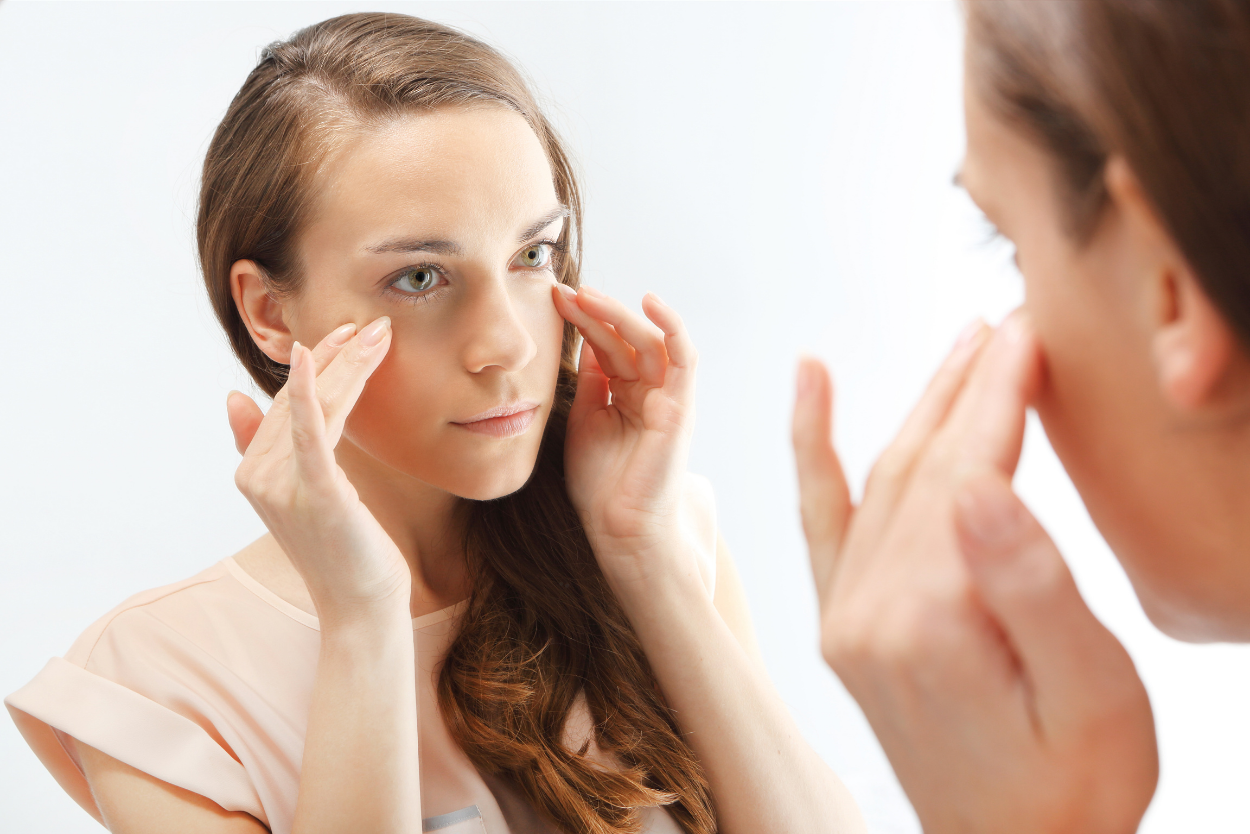
Facial fatigue is a concept that can be defined as the reflection of prolonged stress, lack of sleep, and mental exhaustion on the facial features. In recent years, the term “burnout face,” which is frequently mentioned on social media and in health circles, has brought this condition into a more visible context. Since the face is one of the most sensitive areas reflecting the body’s overall state of health, it is often the first place where the signs of chronic fatigue and burnout become noticeable.
From dark circles under the eyes to a pale complexion, from sunken cheeks to a tense forehead expression, many signs can indicate facial fatigue. Moreover, these signs are not only noticeable to others; the familiar sense of heaviness a person feels when looking at themselves in the mirror is also part of this picture.
What Is Burnout Face? Understanding the Concept
The term “burnout face” can be translated into Turkish as “tükenmişlik yüzü” or “yüz yorgunluğu.” Essentially, it is used to describe the visible effects that prolonged psychological and physical strain leaves on the facial tissues, skin tone, and overall facial expression. Rather than being a medical diagnostic category, it is a descriptive expression commonly used in everyday language and popular health discourse.
At the core of the concept lies the idea that the human face reflects not only genetic traits but also lifestyle, emotional state, and physical health. Constant fatigue, insufficient sleep, and days spent under chronic stress can gradually lead to permanent or semi-permanent changes in the face. These changes occur through the deterioration of skin texture, the persistent tension of facial muscles, and disruptions in the circulatory system.
Burnout face should not be viewed solely as an aesthetic concern. On the contrary, it can be interpreted as the body’s way of expressing the message, “I am no longer getting enough rest.” These changes in the face provide important clues about a person’s overall health. Considering the demanding pace of modern working life, prolonged exposure to digital screens, and social pressures, burnout face is becoming an increasingly common phenomenon.
Understanding the concept correctly is of great importance for both personal awareness and early intervention. A person who can recognize the signs of facial fatigue has the opportunity to take the necessary steps before burnout progresses to more serious levels. This awareness is one of the most valuable steps toward protecting both physical and emotional well-being. Learning to interpret facial fatigue as a warning signal also helps individuals develop a more compassionate and attentive attitude toward themselves.
What Are the Physical Signs of Facial Fatigue?
The physical signs of facial fatigue are quite diverse and may appear with varying levels of severity from person to person. While some of these signs are related to temporary tiredness, others reflect the long-term effects of chronic stress. Recognizing these signs early makes it much easier to take the necessary precautions in time.
Dark circles and puffiness under the eyes: Disrupted sleep patterns and slowed blood circulation can lead to dark discoloration and mild puffiness in the delicate skin around the eyes. This makes fatigue clearly visible in one of the most prominent areas of the face.
Pale and dull skin tone: Under chronic stress, the skin’s ability to regenerate may weaken. As a result, the skin may lose its healthy, radiant appearance and become pale, grayish, or dull. This change makes it more difficult for a person to appear well-rested.
Fine lines and early signs of aging: Prolonged tension in the facial muscles and disruption of the skin’s moisture balance may contribute to the appearance of fine lines, particularly on the forehead, around the eyes, and at the corners of the mouth.
Dry skin and flaking: During periods of stress, the skin’s moisture barrier may weaken. This can manifest as dryness, a feeling of tightness, and occasional flaking.
Acne and skin sensitivity: The body’s hormonal response to stress may present itself through redness, acne, or an overall increase in skin sensitivity.
Facial muscle tension and a dull facial expression: In people experiencing constant stress, the facial muscles may remain tense without them even realizing it. This can lead to both a tired appearance and muscle pain over time. This aspect of facial fatigue may also negatively affect a person’s social interactions.
How Does Chronic Stress Change the Face? The Biological Mechanism
The changes that chronic stress causes in the face are the result of a series of interconnected biological processes. Understanding these processes is important for recognizing why facial fatigue is not merely a cosmetic issue. Each mechanism triggers another, creating a chain reaction.
Activation of Stress Hormones
When the brain perceives a threat or pressure, the adrenal glands release various stress hormones, primarily cortisol. While these hormones prepare the body to respond in the short term, remaining at elevated levels for extended periods can negatively affect the regeneration of skin cells. Chronically high cortisol levels are one of the most significant biological factors underlying facial fatigue.
Redistribution of Blood Circulation
During periods of stress, blood is directed primarily toward vital organs and muscles. This redistribution may reduce the nourishment supplied to the facial skin, causing the complexion to appear pale and lifeless.
Slowing of Collagen Production
Chronic stress may negatively affect the synthesis of collagen, which helps maintain the skin’s structural integrity. Reduced collagen production can cause the skin to lose its elasticity and may contribute to the earlier appearance of fine lines.
Increased Inflammatory Responses
Prolonged stress can create a persistent, low-grade inflammatory state within the body. This may increase skin sensitivity and contribute to redness and acne.
Reduced Sleep Quality and Disruption of the Repair Process
Deep sleep is the period during which the body and skin undergo their most intensive repair processes. Stress-related sleep disturbances reduce this crucial window for recovery, slowing the renewal of facial tissues and allowing signs of fatigue to become more persistent. For this reason, sleep is a factor that should not be overlooked in the fight against facial fatigue.
The Connection Between Burnout Face and Burnout Syndrome
Burnout syndrome is a state of profound exhaustion caused by prolonged and unmanageable stress that affects a person emotionally, mentally, and physically. Facial fatigue, on the other hand, is the outwardly visible manifestation of this condition. The connection between the two is not merely cosmetic; it is fundamentally biological and psychological.
People experiencing burnout syndrome often have persistently low energy reserves. The body gradually begins to lose its ability to regenerate itself. This is also reflected in the face: the skin becomes dull, dark circles under the eyes become more pronounced, and the facial expression appears tired and tense. When a person looks in the mirror, the face they see becomes a tangible reflection of the exhaustion they feel inside.
On the other hand, these facial changes can also create a cycle that deepens burnout. A person who is distressed by changes in their appearance may begin to lose self-confidence, which can lead to social withdrawal, decreased motivation, and even higher levels of stress. In this sense, facial fatigue and burnout syndrome can form a self-reinforcing cycle.
Among the early signs of burnout syndrome are a persistent feeling of fatigue, a lack of interest in work or daily activities, and emotional numbness. These symptoms also leave their mark on the face: reduced smiling, tension around the eyes, and an overall expressionless appearance may all be visible indicators of burnout.
For this reason, it is insufficient to view facial fatigue solely as an aesthetic concern. Interpreting changes in the face as warning signs and developing awareness of the deeper dimensions of burnout syndrome are critical steps for both physical and mental well-being. Early awareness makes the recovery process both easier and more sustainable.
What Can Be Done to Reduce Facial Fatigue?
Reducing facial fatigue requires a holistic approach that encompasses both daily habits and overall lifestyle. The following steps are among the practical methods that can help support this process.
- Improve your sleep routine: Regular and sufficient sleep is the cornerstone of the skin’s repair process. Going to bed at the same time every night and keeping the sleep environment dark, cool, and quiet can improve sleep quality. Establishing a calming bedtime routine can also support this process.
- Incorporate stress management techniques into your daily life: Simple practices such as breathing exercises, meditation, or short walks can help regulate stress hormone levels. When practiced regularly, these techniques may also reduce facial tension over time.
- Stay hydrated and pay attention to your diet: Adequate fluid intake is essential for maintaining the skin’s moisture balance. Foods rich in antioxidants may help support skin regeneration. Seasonal fruits and vegetables can be particularly beneficial in this regard.
- Limit screen time: Prolonged exposure to digital screens may contribute to both eye strain and reduced sleep quality. Reducing screen use, especially before bedtime, may be beneficial.
- Practice facial massage and relaxation exercises: Gentle facial massage techniques can be used to relieve tension in the facial muscles. This practice may help stimulate blood circulation while also promoting muscle relaxation.
- Seek professional support: If facial fatigue is caused by underlying burnout syndrome, consulting a healthcare professional is the healthiest course of action. Psychological support can help accelerate both mental and physical recovery.