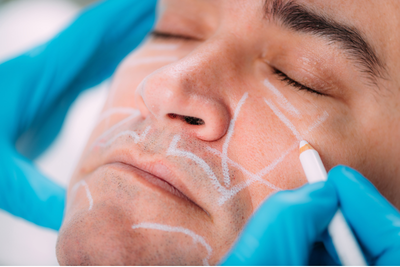
Face sculpting is an approach that uses dermal filler injections to enhance and balance the face’s natural contours. The relationship between the facial bone structure, soft tissue volume, and symmetry is adjusted through this method, with the aim of achieving a more defined appearance. As a non-surgical aesthetic approach, facial sculpting is generally performed using hyaluronic acid-based fillers.
Rather than focusing on a single area of the face, the method takes a holistic view of several interconnected regions. The proportions between the chin, jawline, cheekbones, cheeks, and lips form the basis of face sculpting planning. For this reason, the procedure is not simply a single injection treatment, but a personalized design process. During planning, each region is considered in relation to the visual appearance of the other regions. In this way, an intervention in one area does not become disconnected from the overall balance of the face.
Unlike surgical facelift procedures, face sculpting is based on adding or redistributing volume rather than removing tissue. This difference makes the procedure shorter, and the recovery period is also relatively brief. Because the procedure relies on volume management rather than tissue removal, its reversible nature becomes more prominent. This also contributes to the approach being viewed as a more flexible alternative to surgical options.
What Is the Relationship Between Face Sculpting and Facial Contouring?
Facial contouring is a technique that visually defines facial features by using the balance of light and shadow. Face sculpting, on the other hand, applies this contouring logic physically and more persistently through fillers rather than makeup. As the contrast between bony prominences and concave areas becomes more pronounced, the facial contour becomes more defined.
During facial sculpting with fillers, volume is added to areas intended to project forward, such as the cheekbones, while areas intended to remain in shadow are left unchanged. This is why face sculpting is not only about adding volume; it is also a study of proportion and balance. Making the play of light and shadow more lasting can be considered a physical counterpart to the temporary effect created with makeup.
The logic of facial contouring serves as a guide when selecting the points where filler will be applied. The practitioner refers to this relationship when determining which area should project forward and which area should remain in shadow. This assessment is not made from a single angle; how the face appears from different angles and under different lighting conditions is also taken into consideration.
How Is Facial Sculpting with Fillers Performed?
Facial sculpting with fillers begins with an assessment of the face’s existing structure. Skin quality, bone structure, fat distribution, and symmetry are examined, and the practitioner decides how much filler should be applied to which regions based on these findings. In this way, the facial sculpting plan with dermal fillers is tailored to the individual’s facial anatomy.
During the procedure, the filler is injected into predetermined tissue layers using a fine needle or cannula. The depth and amount of the injection vary according to the intended effect. Jawline filler, for example, is generally applied to deeper layers, while lip filler remains in more superficial layers. The choice of tissue layer directly affects both the appearance of the final result and the longevity of the filler in that area.
After the procedure is completed, regional swelling and tenderness usually decrease within a few days. The final result becomes clearer over time as the tissue settles. In some cases, more than one session may be required to achieve the planned appearance, with a certain amount of time left between sessions. What is the purpose of this waiting period? It allows the practitioner to observe how the tissue responds to the previous treatment and to plan the next step accordingly.
Which Facial Areas Can Be Evaluated in Face Sculpting?
Face sculpting planning considers five interconnected facial regions as a whole. An intervention in one of these areas can also affect the appearance of the others, which is why assessment is generally performed holistically. Even a treatment focused on one region can change the visual weight of neighboring areas, so all regions are reviewed together during the planning stage.
Chin
The chin area is one of the main points that determines the balance of the lower third of the face. A recessed or short-looking chin can be brought forward with chin filler, helping to balance the overall facial profile. This treatment may also contribute to making the angle between the neck and chin appear more defined.
Jawline
The jawline is the lower jaw contour extending from the tip of the chin to the area in front of the ear. Jawline filler can make this line appear sharper and more defined, creating a more angular appearance when the face is viewed from the side. Particularly in faces with softer contours, this area is often prioritized in face sculpting planning.
Cheekbones
The cheekbones are key structural points that give the midface a three-dimensional appearance. Cheekbone filler adds volume to this region, creates a natural shadow beneath the cheeks, and enhances the facial contour. The result is a more dynamic and balanced facial appearance.
Cheeks
The cheek area is one of the regions that may lose volume over time. Filler applied to this area can reduce the appearance of hollow cheeks and make the facial contours appear fuller and more balanced. Cheek filler can also soften the transition between the cheekbones and chin.
Lips
The lips are another area that contributes to proportional balance in the lower part of the face. Lip filler applied for volume, contour, or symmetry can be included in the overall facial sculpting plan. When assessed together with other regions, this area can contribute to a more harmonious result.
Is Face Sculpting Planned the Same Way for Every Face?
No, face sculpting is not planned in the same way for every face. Each person has a different bone structure, skin thickness, fat distribution, and level of symmetry. For this reason, a standardized treatment template is not used; instead, planning is determined individually by the practitioner according to the person’s existing facial characteristics.
This individualized approach means that the amount of filler and the technique used in the same area may vary from one person to another. The chin may be the priority in one person, while the cheekbone region may be more important in another. Even if two people receive filler in the same area, the results may look different. This difference is not caused only by the amount applied; the person’s underlying anatomy also plays a role. Therefore, a personalized plan is followed instead of a standard template.
Does the Face Sculpting Approach Change According to Face Shape?
Yes, it does. Oval, square, round, and heart-shaped faces have different proportional and balance requirements, and each face shape is evaluated according to its own characteristics.
In a round face, the goal is generally to make the jawline and chin appear more angular, while in a heart-shaped face, the aim may be to visually widen the lower jaw. In a square face, focusing on the cheekbone area may be preferred to create a more vertical appearance, whereas in an oval face, subtle adjustments that preserve the existing balance are generally emphasized. What does this difference show? It demonstrates that every face shape has its own strengths and weaker points, and planning is shaped accordingly.
Can Sharper Facial Features Be Achieved with Face Sculpting?
Yes, they can, but the result is limited by the individual’s existing anatomical structure. Jawline filler and chin filler can help the facial contour appear clearer and more defined, particularly when viewed from the side.
The sense of sharpness is created by applying filler to the correct tissue layer and in the correct amount. Because excessive filler can create an artificial and unbalanced appearance rather than sharper contours, measured planning is important at this stage. The degree of definition achieved is also directly related to the natural strength and structure of the person’s bones. Therefore, when setting expectations, the limits imposed by the bone structure must also be taken into account.
Is Face Sculpting About Recreating the Face or Supporting Existing Facial Features?
Face sculpting is performed not to recreate the face from the beginning, but to support the existing facial features. The basic principle of the approach is to strengthen and balance existing proportions rather than alter the person’s natural anatomy.
This perspective also determines which areas will be treated and how much filler will be used. The goal is not to create an appearance that feels foreign to the person’s natural face, but rather a more clearly defined version of their own features. For this reason, limits are established during the planning stage to preserve the person’s existing facial identity. This helps ensure that the face retains its own expression and characteristic features after the procedure.
Why Is a Natural Appearance Important in Face Sculpting?
A natural appearance is one of the main criteria that determine the success of face sculpting treatments. Filler applied excessively or in incorrect proportions may restrict facial expressions, disrupt symmetry, and create an artificial appearance.
A natural result is achieved when the filler is placed in harmony with the face’s own anatomical lines. For this reason, the injection angle and the selected tissue layer are just as important as the amount used. The way the face looks while smiling, speaking, and at rest are among the key situations in which naturalness is evaluated. In addition to the static appearance, keeping the dynamic facial expression natural during movement is considered an important factor in how well the final result is accepted over time.
Why Is Facial Analysis Important Before Face Sculpting?
Facial analysis is the first and most important step in the face sculpting process. During this analysis, facial symmetry, bone structure, skin quality, and regional volume are evaluated in order to create a personalized treatment plan.
What happens if the analysis stage is skipped? The amount of filler used and the areas treated may not match the person’s actual needs. A detailed facial analysis clarifies which areas should be prioritized and which areas should not be treated. The analysis also reveals the degree of compatibility between the person’s expectations and what is anatomically achievable. Clarifying this relationship from the beginning helps prevent differences in expectations after the procedure.
Who May Be Suitable for Face Sculpting?
Face sculpting may be considered by people who would like their facial features to appear more defined or balanced. Individuals who feel that their chin or jawline is not sufficiently defined, who have experienced volume loss in the cheekbone area, or who notice an asymmetrical appearance in their facial proportions may choose to explore this method.
Face sculpting may also be an option for people who do not want a surgical procedure but are looking for a visible change in their facial contours. Suitability is assessed by taking the individual’s skin structure and overall health into account, and facial analysis performed at the beginning of the process also plays a determining role. People who want to preserve their facial features or reduce the appearance of existing asymmetry may also consider this approach.