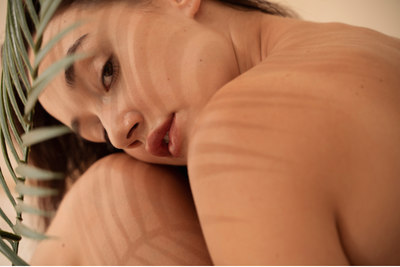
As summer transitions into autumn, the skin may become drier, less elastic, and duller due to the combined effects of sun exposure and moisture loss. Cooler mornings and lower humidity levels can quickly disrupt the balance the skin has adapted to over the previous weeks.
Throughout the summer, intense UV exposure, sweating, and spending time in air-conditioned environments can weaken the skin’s natural barrier. Many of these effects are not noticeable during the summer months; as the weather cools and humidity decreases, the skin may feel tighter, uneven skin tone may become more noticeable, and accumulated sun damage may begin to surface.
The seasonal transition is an appropriate time to reassess skin quality and the overall appearance of the face. Understanding the effects of the summer months on the skin helps clarify why these changes occur.
Why Does Our Skin Change During the Summer Months?
During the summer months, intense sunlight, heat, and changes in humidity directly affect the structure of the skin. The effects of the sun on the skin are not limited to the surface; they also alter cellular processes within the skin. Most of these effects go unnoticed throughout the summer but gradually become reflected in the skin’s appearance as they accumulate.
UV rays damage the collagen and elastin fibers that provide the skin with firmness and fullness, gradually reducing skin elasticity over time. At the same time, UV exposure increases pigment production, creating conditions that can lead to uneven skin tone and the formation of dark spots. Because this process develops slowly, it often becomes more noticeable during the seasonal transition rather than in the middle of summer.
Sweating and frequent cleansing may also disrupt the skin’s natural oil balance. Increased sweating caused by high temperatures and humidity can alter the balance of the protective sebum layer, while frequent washing in an attempt to restore that balance may make the skin even more sensitive.
Spending long hours in air-conditioned environments can reduce skin moisture and create conditions that lead to dryness. As humidity in the air decreases, water loss from the skin accelerates, which can result in a tired-looking complexion that requires post-summer skincare. These effects of the sun on the face become more clearly visible during the seasonal transition.
How Does Sun Exposure Affect Facial Appearance?
The effects of sun exposure on the face first appear as uneven skin tone, followed by pigmentation and signs of premature aging. These changes are not the result of a single day in the sun; they are the cumulative result of exposure over several weeks.
While UVA rays weaken the collagen and elastin fibers responsible for skin firmness, UVB rays stimulate pigment production and contribute to the formation of dark spots. Prolonged exposure gradually slows collagen production and reduces overall skin quality. Although sun damage may not be immediately visible on the skin, this process progresses silently throughout the summer.
After sun exposure, the skin often appears duller, rougher in texture, and less elastic. Once the temporary vibrancy created by a tan fades, the accumulated effects of sun-related skin aging become more visible; the skin may no longer feel as supple or radiant as before.
Superficial redness and microdamage are also part of this process. Although these small areas of damage may seem insignificant individually, over time they may contribute to the appearance of fine lines, particularly in delicate areas such as around the eyes and on the cheeks. These accumulated effects become more visible as the season changes, and the skin’s true condition often only becomes apparent at that point.
Why Can Skin Look Drier or More Tired as Autumn Begins?
Skin can look dry or tired in autumn because both humidity and temperature decrease at the same time, and the skin’s ability to retain water may not adapt quickly enough to this sudden change. The balance the skin became accustomed to during the summer can be disrupted within a few weeks; the skin loses water more quickly and may begin to feel tight on the surface.
Skin that has been exposed to the sun throughout the summer enters a repair process as the season changes, and during this period it may appear more tired. Once the temporary brightness of a tan fades, the accumulated damage beneath the surface may become more apparent as the skin attempts to recover; during this time, the skin may also become more sensitive and reactive.
Post-summer skin dryness is largely associated with weakening of the skin barrier. After weeks of exposure to sweating, sunlight, and salt water, the skin may have lost part of its protective lipid layer. This accelerates moisture loss and can leave the surface feeling rough to the touch.
Because the skin’s needs change during the seasonal transition, a summer skincare routine may no longer be sufficient. Lightweight products that were adequate during warmer months may not protect skin moisture effectively enough as temperatures drop; at this point, a summer-to-autumn skincare approach becomes necessary. These signs of fatigue also highlight the connection between skin quality and overall facial appearance.
What Is the Relationship Between Skin Quality and Overall Facial Appearance?
Skin quality is a combination of several factors, including hydration level, elasticity, evenness of tone, and surface smoothness. When any one of these factors weakens, the skin’s overall appearance is directly affected. Well-hydrated skin with an even tone and smooth texture can create an appearance that no single makeup or skincare product can provide on its own.
The overall appearance of the face depends largely on this underlying skin quality. Mild shadows under the eyes, dullness on the cheeks, or fine irregularities on the skin’s surface are often external signs of fluctuations in skin quality. Even when the facial structure itself does not change, a decline in skin quality can make the same face appear different and more tired.
Reduced skin quality may also cause facial features to appear more pronounced or more fatigued. Skin that has undergone sun-related aging may lose collagen and elastin support, making expression lines appear more permanent. As skin elasticity decreases, facial contours gradually lose some of their previous firmness.
Balanced skin quality is a cornerstone of a radiant and well-rested appearance. When hydration, elasticity, and even skin tone are maintained together, the face can appear more vibrant regardless of fatigue. Once this balance is established, it also becomes easier to understand which skin needs should be prioritized.
How Can You Understand What Your Skin Needs After Summer?
The type of support your skin needs can often be understood from the signs visible on its surface. A feeling of tightness, flaking, or a dull appearance may indicate that skin moisture levels have decreased and that the moisturizing step in the routine needs to be strengthened. These signs may become noticeable earlier around the cheekbones and jaw area.
Uneven skin tone and pigmentation send a different signal. This usually indicates that sun damage has become more visible and suggests that ingredients targeting discoloration may need to be incorporated into post-sun skincare. Persistent redness may also be another sign of the same need.
If the skin feels rough to the touch, this can be a tangible sign that the barrier function has weakened. A healthy skin barrier keeps the surface smooth, while a weakened barrier may leave small bumps and irregularities in the texture. This suggests that it may be time to switch to gentler and more restorative formulas when selecting skincare products.
Individual observation of the skin is the first step in determining the right skincare measures. Tightness, dullness, or roughness noticed in the mirror can serve as a roadmap showing which type of support the skin should receive first. Once these observations become clear, the next question is which treatments and timing are most beneficial for the skin.
Is There a “Right Time” for Filler Treatments in Autumn?
Autumn is often considered a suitable period for aesthetic treatments because sun exposure decreases. Skin that has been exposed to intense UV radiation during the summer encounters less sun-related stress in autumn, which can make it easier to plan certain procedures. During periods when the sun is less intense, the body may be better able to focus on recovery without having to cope with as much environmental stress.
Dermal filler treatments containing hyaluronic acid may help support skin hydration and elasticity. Hyaluronic acid is naturally present in the skin and is known for its high water-binding capacity. For people who want to support skin elasticity that may have been reduced by sun and heat during the summer, these types of treatments may be considered as an option.
Treatments performed during periods of lower sun exposure may offer a more comfortable recovery process. Reduced exposure of post-treatment skin sensitivity to sunlight is considered one factor that may help make recovery easier. Similar procedures carried out during the summer may require greater attention to sun protection.
The timing of treatment should be evaluated according to the individual condition of the skin. Because everyone’s skin quality, elasticity, and hydration needs differ, autumn being an “ideal” period is a general tendency rather than an absolute rule. Daily skincare habits are just as important as treatment timing in maintaining skin quality.
What Should You Pay Attention to in Autumn to Support Skin Quality?
The first priority for maintaining skin quality in autumn is to strengthen the skin barrier with moisturizing products. As humidity decreases, skin loses moisture more quickly, which means lightweight formulas that were sufficient in summer may no longer be adequate. Richer formulas containing ceramides, hyaluronic acid, or glycerin can support the skin’s ability to retain water and form the foundation of a summer-to-autumn skincare routine.
Sunscreen use should continue during the seasonal transition. Even when the weather becomes cooler, UVA rays remain active and continue to contribute to collagen loss. Removing sunscreen from an autumn routine may create conditions that allow skin elasticity preserved during the summer to weaken again.
Nourishing and restorative skincare steps should also be added to the routine. Barrier-supporting ingredients such as panthenol, centella, or niacinamide may help balance the tired appearance left behind by the summer months. These steps support hydration, even skin tone, and smoothness together, all of which contribute to overall skin quality.
Adequate water intake and a balanced diet are complementary factors that support skin quality. The body’s internal balance is reflected in the skin’s external appearance; sufficient hydration and balanced nutrition provide a supportive foundation that can enhance the effects of topical skincare. Skincare produces the most holistic results when it is approached not only through products applied to the surface, but also together with everyday lifestyle habits.