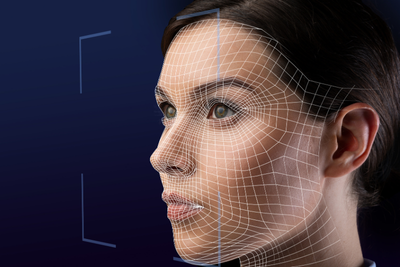
A snatched facial appearance refers to a lifted and sharply defined facial aesthetic characterized by a prominent jawline, high cheekbones, and minimal facial puffiness. The term takes its name from this very appearance: the skin looks tight, the contours are clearly defined, swelling is kept to a minimum, and the face appears as though it has been “pulled together.”
The term reached a wider audience as practices such as mewing, gua sha, and facial yoga became increasingly popular on social media. However, sharp facial features do not appear in the same way on everyone. Factors such as genetics, body fat percentage, age, and hormonal balance can produce different results from one person to another; while some face shapes are naturally more suited to this appearance, others may require additional support.
The snatched effect can be supported through different methods, including natural techniques, a regular skincare routine, contouring makeup, and, when necessary, filler treatments. Understanding the mechanisms behind this appearance makes it easier to determine which method may be appropriate for whom.
What Is a “Snatched” Facial Appearance and Why Has It Become So Popular?
The term snatched face describes a tight facial appearance in which the jawline is clearly defined, the cheekbones sit high, and there is no visibly noticeable puffiness in the skin. It combines a well-defined jawline with a firm, structured appearance in the cheeks. In this context, sharp facial features become the most tangible indicator of the snatched look; without jawline definition, it is difficult to speak of this aesthetic.
The term primarily reached a broad audience through TikTok and Instagram. Short-form “before and after” videos and pre-makeup routine content moved the concept of a snatched face beyond the relatively narrow world of aesthetic treatments and into everyday beauty vocabulary.
Interest grew further with the popularity of gua sha, mewing, and various facial exercises. Sharp and defined facial features are often regarded as desirable across different age groups, which helps explain why these practices attract attention from people of various ages. Users aim to create a visible difference in the jawline by performing these methods consistently.
The rise of minimalist makeup has also played an important role in the trend. As heavy contouring has increasingly been replaced by simpler approaches that emphasize the skin’s natural structure, a face with natural yet defined features has become an aesthetic ideal. However, the appearance is influenced not only by social media trends but also by structural factors that vary from person to person.
What Factors Affect Sharp Facial Features?
Sharp facial features are not determined by a single factor. Genetics, body fat percentage, age, and hormonal balance all contribute to this multifactorial outcome and should be considered together. Efforts to define the jawline may produce one result in one person and a different result in another because these four factors carry different degrees of influence for each individual. Understanding which of these factors can be changed and which are relatively fixed helps keep expectations realistic during the facial contouring process.
Genetics and Bone Structure
Bone structure and facial symmetry are largely inherited and cannot be substantially changed later in life. The height of the cheekbones and the forward or outward positioning of the jawbone, or mandible, form the structural basis of whether the jaw appears weak or strong; these characteristics are largely determined from birth. A weak jaw appearance often results from a combination of genetic factors and aging.
Body Fat Percentage and Facial Fat
Changes in body fat percentage directly affect facial fat distribution. Weight gain may lead to the accumulation of submental fat beneath the chin, reducing the appearance of a sharply defined jawline; this tends to be more typical in obese and older populations. Weight loss, on the other hand, is one of the methods that may help reduce fat accumulation in this area.
Age and Skin Elasticity
Skin elasticity decreases with age and may reduce jawline definition. Collagen production begins to slow from the mid-twenties onward, and these effects become more visible as a person approaches their forties. By around the age of fifty, reduced collagen production combined with loss of fat tissue and bone volume can significantly alter the appearance of the jawline.
Hormonal Balance and Facial Puffiness
Hormonal imbalances can lead to water retention and facial puffiness. This is not a permanent structural change, but it can temporarily reduce the visibility of the jawline and cheekbones. Unlike fixed factors related to genetics and age, puffiness caused by fluid retention represents a temporary aspect of the snatched appearance that may be managed through natural methods.
How Can a Snatched Appearance Be Achieved Naturally?
Because hormonal puffiness creates a temporary change in appearance, it offers an area in which natural methods may be useful. Practices such as mewing, gua sha, and facial exercises may help support the jawline when performed consistently. Mewing is a technique based on positioning the tongue against the roof of the mouth and is expected to influence muscle tone around the jaw over time. Gua sha, meanwhile, is a form of facial massage performed with a stone at specific angles, with the aim of reducing tension at the skin’s surface. Facial and jawline exercises are also among the methods commonly suggested for individuals seeking a more angular appearance.
Cold therapy, ice massage, or washing the face with cold water can temporarily reduce swelling and create a short-term impression of sharper definition. Facial massage may support lymphatic drainage, helping fluid accumulated in the face to move more effectively and thereby contributing to a reduction in facial puffiness. Both approaches may be especially useful in the morning, when fluid retention tends to be more noticeable.
Regular sleep and adequate hydration are basic requirements for maintaining skin firmness and an overall healthy facial appearance. Lack of sleep and insufficient water intake may increase facial puffiness and weaken the perception of sharp facial contours. Although the effects of natural methods vary from person to person, consistency plays a key role in making their results noticeable. Dietary habits also become relevant at this point.
Do Dietary Habits Affect Facial Features?
Dietary habits directly influence how visible facial contours appear. Excessive salt consumption causes water retention in the body, which may create facial puffiness and reduce the definition of sharp features. Facial swelling may become more noticeable on days when salty and processed snacks are consumed frequently.
Sugar and processed foods may also negatively affect skin elasticity. A diet high in sugar can weaken the collagen structure in the skin and gradually reduce facial firmness over time, which may limit the visible results of efforts aimed at creating a slimmer facial appearance. A balanced diet, by contrast, can help support the skin and counter these effects.
Drinking plenty of water helps the body maintain its fluid balance and may reduce facial puffiness. It may seem paradoxical, but insufficient water intake can encourage the body to retain fluid, increasing swelling. Foods rich in antioxidants, such as fresh vegetables and fruits, support skin cells and can therefore have a positive effect on overall skin health and facial appearance.
When this process is supported through nutrition and combined with a regular skincare routine, the results may become more consistent.
Which Skincare Ingredients Should Be Used for a Snatched Appearance?
The most effective skincare routine for supporting a snatched appearance includes products that combine firming and moisturizing ingredients. Serums containing caffeine may create an immediate sensation of firmness on the skin’s surface, while niacinamide strengthens the skin barrier and helps the skin appear more balanced. Peptides may contribute to maintaining skin elasticity over time by supporting collagen production.
A consistently followed skincare routine may help reduce facial puffiness and create a more noticeable feeling of firmness in the skin. Rather than relying on one-time applications, repeating the routine in the morning and evening allows the skin to benefit more consistently from these ingredients.
Skincare products combined with cold therapy can be particularly effective for temporarily reducing puffiness. Applying an ice-cold massage tool or chilled serum may temporarily constrict blood vessels and create the impression of sharper facial contours. The effect is not permanent, but the visual results can be rapid and noticeable.
Sun protection is another step that should not be overlooked when it comes to preserving skin elasticity over the long term. Collagen loss caused by sun exposure may gradually reduce the effectiveness of efforts aimed at maintaining facial firmness. A skincare routine supported by appropriate ingredients can produce a more comprehensive result when combined with visual enhancement methods such as makeup.
How Can a Snatched Appearance Be Created with Makeup?
Makeup does not create a permanent snatched appearance, but it can strengthen the impression of sharp facial features by visually emphasizing the jawline and cheekbones. Contouring is the most commonly used technique for this purpose: a darker product is applied beneath the jawline, around the tip of the chin, and into the hollow beneath the cheekbones to create a shadow effect. These shadows imitate the face’s natural depth and make the jawline appear more defined than it actually is.
Highlighting works according to the opposite principle. Highlighter applied to the upper cheekbones, bridge of the nose, and tip of the chin reflects light upward and brings the high points of the face forward. Balancing darker and lighter tones in this way creates a three-dimensional impression of sharper facial definition.
Eyebrow shaping is an often overlooked part of facial contouring. The thickness and arch of the eyebrows can alter the visual positioning of the eyes and cheekbones; an upward-angled brow tail can create a more lifted appearance in the upper face. Correctly balancing highlight and contour helps these techniques look natural rather than exaggerated.
None of these methods changes bone structure or skin elasticity. Makeup only directs visual perception through the use of light and shadow, producing a temporary effect; once the products are removed, the facial contours return to their natural appearance. The effectiveness of these visual techniques also varies depending on the individual’s face shape.
Is a Snatched Facial Appearance Suitable for Every Face Shape?
A snatched facial appearance does not produce the same result on every face shape. How noticeable the look becomes depends on bone structure, cheekbone height, and facial proportions. Even when the same gua sha or makeup technique is used, two different facial structures may develop different degrees of apparent sharpness. For this reason, understanding the characteristics of your own face shape is an important first step when aiming for a snatched appearance.
Sharp facial features may appear more naturally in oval and heart-shaped faces. In these face types, the chin is generally narrower and the cheekbones tend to be naturally more prominent, so supportive methods such as mewing, facial exercises, or makeup may create noticeable results with relatively little effort.
In round or fuller faces, additional supportive methods may be required to achieve the same level of definition. In these face types, the jawline is naturally surrounded by softer contours, and facial contouring efforts often require more time and consistent application. In some cases, natural methods alone may not provide the desired degree of definition.
It is important for everyone to set realistic expectations based on their own facial structure. A snatched face is not a standardized template; it is an individualized result that should remain compatible with the person’s bone structure and skin characteristics. The effects of makeup and skincare methods may vary according to face shape, and in some situations, other supportive methods may also be considered for longer-lasting definition.
Achieving a Snatched Appearance with Filler Treatments
Filler treatments are a cosmetic support option used when natural methods provide limited results for facial contouring needs. Dermal fillers applied to the chin and cheekbone areas can create a noticeable defining effect, even though they are not permanent, and may accelerate the process of enhancing the jawline. In men, a weak jawline often results from a combination of genetics and aging, and fillers applied to this region may position the jawline further forward or outward, creating a more sculpted appearance.
Filler treatments can also compensate for congenital structural deficiencies in bone anatomy. A genetically recessed chin or low cheekbones are structural characteristics that cannot be changed through exercise or skincare; filler can provide support by adding volume and contour in these areas. Botox and chin implants are among the other options that may be considered for similar purposes.
Maintaining appropriate aftercare and choosing a practitioner with experience in the field play an important role in ensuring that the result appears natural. Applying more volume than necessary or placing the filler in the wrong area may disrupt the face’s natural proportions and lead to an undesirable or artificial appearance. For this reason, filler should not be considered a standalone solution, but rather as a complementary option that may be evaluated when natural methods are insufficient and that requires careful planning.