Hyaluronic acid has become one of the most popular ingredients in the cosmetics industry in recent years. This molecule, which has revolutionized skin rejuvenation, is widely used in both professional applications and daily skincare routines thanks to its natural structure and effective results. An essential component of anti-aging products, hyaluronic acid has proven effects in maintaining skin moisture balance and reducing wrinkles.
What is Hyaluronic Acid?
Hyaluronic acid is a type of glycosaminoglycan found naturally in our bodies. This molecule is called “nature’s most powerful moisturizer” because it can hold up to a thousand times its weight in water. Chemically composed of sugar chains, hyaluronic acid is particularly abundant in the skin, joints, and eyes.
This biomolecule is found among collagen and elastin fibers in the lower layers of the skin, providing volume and elasticity to the tissue. The most important feature of hyaluronic acid is its ability to bind water molecules, keeping the skin hydrated. Thanks to this property, the skin can maintain its smooth, plump, and youthful appearance.
How is Hyaluronic Acid Naturally Produced in the Body?
Our bodies produce hyaluronic acid through cells called fibroblasts. This production process is carried out by hyaluronan synthase enzymes and is in a continuous renewal cycle. While the body can produce sufficient amounts of hyaluronic acid in young ages, this production capacity begins to decline with age.
After the age of 25, hyaluronic acid production decreases by approximately 1% per year. This decrease leads to the appearance of signs of aging, such as skin loss of moisture, decreased elasticity, and the formation of wrinkles. Sunlight, stress, smoking, and environmental factors can accelerate this decline.
What are the Benefits of Hyaluronic Acid?
The benefits of hyaluronic acid on skin health are supported by scientific research. The main benefits of this molecule are:
Skin Moisturizing
The most well-known benefit of hyaluronic acid is its powerful moisturizing effect. One gram of hyaluronic acid can bind six liters of water. This property deeply moisturizes the skin and prevents moisture loss. Regular use increases the skin’s water retention capacity, providing long-lasting hydration.
Wrinkle Reduction
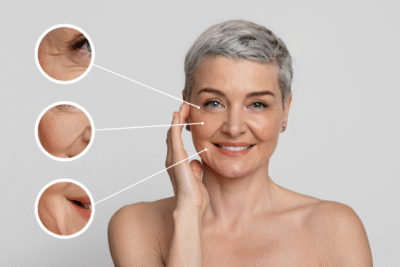
Hyaluronic acid levels decrease with age, leading to the formation of fine lines and wrinkles. Externally applied hyaluronic acid reduces these wrinkles by increasing skin plumpness. It provides a significant improvement in fine lines, especially around the eyes and mouth.
Improving Skin Elasticity
Hyaluronic acid supports collagen production and increases skin elasticity. This effect results in a firmer and more youthful appearance to the skin. Regular use reduces sagging skin and enhances facial contours.
Contributes to Wound Healing
Hyaluronic acid contributes to the wound healing process by accelerating cell regeneration. This property helps repair skin damage more quickly and supports healthy tissue formation. It also has beneficial effects on acne scars and other skin blemishes.
How is Hyaluronic Acid Applied to the Skin?
Hyaluronic acid can be applied to the skin in various ways. The most common application methods are:
- Topical products: For daily use in serum, cream, and mask forms
- Injection: Professional treatment performed by a dermatologist
- Mesotherapy: Delivering the skin’s deeper layers through microinjections
- Dermaroller: Increasing the skin’s absorption capacity with microneedles
For topical applications, hyaluronic acid should be applied to cleansed skin and followed by a moisturizer. Professional applications should be performed under the supervision of a specialist.
What are the Uses of Hyaluronic Acid?
Hyaluronic acid is used not only in skincare but also in various medical fields:
Cosmetics
In the cosmetics industry, hyaluronic acid is widely used in products such as anti-aging serums, moisturizers, masks, and foundation. Hyaluronic acid, produced in different molecular weights, penetrates into different layers of the skin, providing comprehensive care. Low molecular weights provide deep moisturizing, while high molecular weights provide surface protection.
In Joint Health
In orthopedics, hyaluronic acid is used to lubricate joint cartilage and reduce pain. Injected, it improves joint mobility and reduces pain, particularly in knee osteoarthritis. This treatment method can be considered an alternative to surgery.
In Eye Health
In ophthalmology, hyaluronic acid is used in the treatment of dry eye syndrome and during eye surgeries. Applied in the form of eye drops, hyaluronic acid moisturizes and protects the surface of the eye. It is also used to maintain intraocular pressure during cataract surgery.
Who Is Hyaluronic Acid Suitable For?
Hyaluronic acid is generally safe for all age groups and skin types:
Use by Age Groups
While it can be used for preventative care in the 20s, it is preferred for anti-aging effects after the age of 30. More intensive and regular use is recommended for individuals over 40. Lighter formulations are sufficient for younger ages, while more concentrated products may be required in older ages.
Use by Different Skin Types
It provides intense moisturizing for dry skin while maintaining sebum balance in oily skin. Suitable for sensitive skin, hyaluronic acid has a low risk of causing allergic reactions. For combination skin, topical application can be used to meet different needs.
What Should You Consider When Using Hyaluronic Acid?
To achieve successful results with hyaluronic acid, several important points should be considered. First, product quality is crucial, and it is important to purchase from reputable brands. Before application, the skin should be cleansed and the product should be applied to damp skin.
Using products with a high sun protection factor enhances the effectiveness of hyaluronic acid and protects the skin from harmful UV rays. Washing your face with extremely hot water should be avoided, as should concurrent use with products that disrupt the skin’s natural moisture balance.
Does Hyaluronic Acid Have Side Effects?
Although hyaluronic acid is generally a safe ingredient, in rare cases, some side effects can occur. Redness, itching, or a mild burning sensation may occur with topical applications. These are usually temporary and are part of the acclimation process.
Swelling, bruising, and tenderness are normal with injections but disappear within a few days. Serious allergic reactions are very rare. A physician’s consultation is essential before use during pregnancy and breastfeeding. If any side effects occur, discontinue use and seek medical advice.