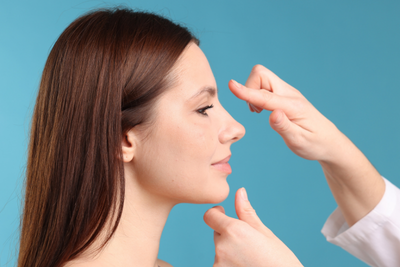
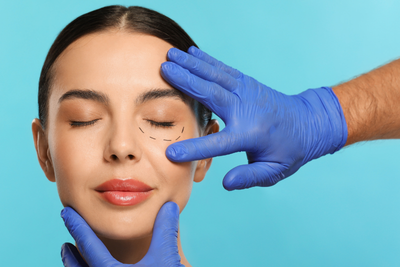
Jawline filler has become one of the most popular aesthetic procedures in recent years for enhancing the jawline and reshaping facial contours. As a minimally invasive technique, it offers a non-surgical alternative especially for individuals with concerns about a double chin. When performed with the correct techniques, jawline filler can deliver striking and natural-looking results.
In this article, we will examine in detail how double chin camouflage is achieved with jawline filler, who is a suitable candidate, and which points should be carefully considered.
What Is Jawline Filler and How Is It Performed?
Jawline filler is a cosmetic procedure in which specialized dermal fillers are injected along the lower jawline and chin contours. The goal of this treatment is to create a sharper, more defined jawline while improving the overall facial profile. The most commonly used materials are hyaluronic acid–based fillers or products containing calcium hydroxyapatite.
Hyaluronic acid is a naturally occurring substance in the body that hydrates the skin, adds volume, and improves elasticity. Fillers specifically formulated for the jaw area provide structural support while maintaining a natural appearance. Before the procedure, the practitioner carefully evaluates the patient’s facial anatomy and creates a personalized treatment plan.
During the procedure, filler is placed at predetermined points along the jawline using fine needles or a cannula. The treatment typically takes 20 to 30 minutes and is performed with local anesthetic support for comfort. Mild swelling or redness may occur afterward, but these effects usually resolve within a few days.
What Is a Double Chin?
A double chin is an aesthetic concern that develops in the submental area and negatively affects facial contour. Medically referred to as submental fullness, it describes sagging under the chin caused by excess fat accumulation or skin laxity. A double chin can significantly alter the facial profile, making a person appear older or heavier.
Beyond its physical appearance, this concern can also affect self-confidence. It is often more noticeable in profile photos or images taken from below, causing discomfort in social situations. Importantly, a double chin can occur not only with aging but also in younger individuals.
Submental fullness blurs the natural definition of the jawline and disrupts the oval shape of the face. Even individuals with a normal body weight may experience this issue due to genetic factors. Modern aesthetic medicine now offers non-surgical solutions that help restore a more defined jawline.
What Causes a Double Chin?
Several factors contribute to the development of a double chin. Genetic predisposition is one of the most significant causes. Individuals with a family history of submental fullness may develop fat accumulation under the chin even if they are not overweight. Genetics influence how and where fat cells are distributed in the body.
Aging also plays a major role. Over time, collagen and elastin fibers decrease, leading to skin laxity. Weakening of the skin and muscle tissue in the submental area makes existing fat more visible. Gravity further contributes by pulling tissues downward, intensifying the appearance of a double chin.
Weight fluctuations can also contribute. Rapid weight gain may increase fat accumulation under the chin, while sudden weight loss can reduce skin elasticity and cause sagging. Poor posture, especially prolonged forward head positioning, can weaken submental muscles and promote skin laxity. Hormonal changes and certain metabolic conditions may also trigger or worsen this condition.
Can a Double Chin Be Camouflaged?
Although surgical procedures or liposuction are often considered for completely eliminating a double chin, modern aesthetic medicine offers effective non-surgical camouflage techniques. Jawline filler is one of the most effective methods, as it redefines the jawline and creates a visual distraction that significantly reduces the appearance of submental fullness.
Rather than directly targeting the double chin, camouflage focuses on strengthening surrounding structures to restore visual balance. Strategically placed filler along the jawline makes the submental area appear less prominent. This approach is particularly effective for mild to moderate double chin concerns.
The success of camouflage depends on facial anatomy, the severity of the double chin, and skin quality. An experienced practitioner analyzes facial proportions and determines the most appropriate strategy. In some cases, jawline filler alone is sufficient, while in others it may be combined with skin-tightening procedures or neck exercises for enhanced results.
How Is Double Chin Camouflage Performed?
Double chin camouflage is based on reinforcing the anatomical structure of the jawline to create a visual illusion. The procedure involves placing filler at strategic points along the lower border of the jawbone and the chin. This elongates and sharpens the jawline, drawing attention away from the submental area.
Before treatment, the practitioner evaluates the facial profile from multiple angles and marks the injection points. Symmetrical application on both sides of the jaw is essential for a natural and balanced result. In some cases, additional filler is placed in the chin tip to enhance projection.
The amount of filler used depends on individual needs, but typically only a few milliliters are required for both sides of the jaw. The filler is injected into deeper tissue layers to provide structural support over the bone. Afterward, gentle massage ensures even distribution. Once the procedure is complete, the jawline appears sharper and more defined, while the double chin becomes visually less noticeable.
Double Chin Camouflage Techniques
The techniques used for double chin camouflage vary depending on individual anatomy and the severity of the concern.
One of the most common methods is mandibular contouring, where filler is placed linearly along the lower edge of the jawbone. This creates a clear and defined border in the lower third of the face.
Another effective technique is chin projection enhancement. Filler placed in the chin tip brings the chin forward in profile view, making the submental area recede visually. This approach is especially effective for individuals with a retruded chin and also improves overall facial harmony.
In advanced cases, a multi-layered filler technique may be used. Here, filler is placed at different depths and points to create a three-dimensional contour. Deep injections provide structural support, while superficial layers allow for fine adjustments. In some cases, jawline filler may be combined with skin-tightening treatments in the neck area to enhance the camouflage effect.
Who Is a Suitable Candidate for Jawline Filler and Double Chin Camouflage?
Jawline filler and double chin camouflage are suitable for healthy adults with realistic expectations. Ideal candidates include individuals seeking a more defined jawline, those with mild to moderate double chin concerns, and people looking for a non-surgical solution.
Both women and men can benefit from this treatment, although techniques may vary by gender. Men typically aim for a sharper, more angular, and masculine jawline, while women usually prefer softer, more oval contours.
Individuals with genetically weak jaw structures, age-related loss of jawline definition, post-weight-loss skin laxity, or jaw asymmetry are good candidates.
However, the procedure may not be suitable for everyone. Pregnant or breastfeeding women, individuals with active infections or skin conditions in the treatment area, known allergies to filler materials, or serious blood clotting disorders should avoid this treatment. Patients with autoimmune diseases or those receiving immunosuppressive therapy require careful evaluation. A detailed medical consultation is essential before treatment.
Advantages of Jawline Filler and Double Chin Camouflage
Jawline filler and double chin camouflage offer several important benefits:
- No surgical intervention or general anesthesia required
- Immediate return to daily activities in most cases
- No hospital stay or lengthy preparation
- Visible improvement in jawline definition immediately after treatment
- Final results become clearer within a few days as swelling subsides
- Hyaluronic acid fillers can be dissolved if necessary
- Natural, balanced results when performed by experienced practitioners
- Treatment plan and filler volume tailored to individual needs
- Side effects such as swelling or bruising are usually mild and temporary
- Safe and reliable when correct techniques and products are used
- Flexible and adaptable to changing aesthetic preferences over time
Possible Risks and Side Effects
Although generally safe, jawline filler and double chin camouflage may involve some risks and side effects, as with any aesthetic procedure.
- Temporary swelling, redness, tenderness, or mild bruising may occur and usually resolve within a few days.
- Infections are rare and typically related to inadequate sterility or poor post-treatment hygiene.
- Asymmetry or irregularities may occur if filler is incorrectly placed, particularly in inexperienced hands.
- Intravascular injection is a serious but rare complication, highlighting the importance of experienced medical professionals.
- With hyaluronic acid fillers, delayed reactions are uncommon but possible.
Proper assessment, correct technique, and adherence to aftercare instructions significantly reduce these risks.
How Long Do Jawline Filler and Double Chin Camouflage Results Last?
The longevity of results depends on the filler type used, individual metabolism, and lifestyle factors. Hyaluronic acid–based fillers, the most commonly used option, typically last 9 to 12 months. Because the jaw area has relatively limited movement, fillers in this region often last longer than in highly mobile areas.
Factors affecting longevity include metabolic rate, age, skin quality, smoking, sun exposure, and exercise intensity. Touch-up treatments can help maintain results with smaller amounts of filler as the effect gradually diminishes.
Is jawline filler a painful procedure?
Jawline filler is generally not painful. Most fillers contain lidocaine, and a topical anesthetic cream may be applied beforehand. Patients usually describe mild pressure or a brief pinprick sensation. Temporary tenderness afterward is normal.
When can I return to daily activities after jawline filler?
Most individuals can resume daily activities on the same day. Intense exercise, sauna use, and facial massage should be avoided for 24 to 48 hours. Mild swelling or bruising typically resolves within a few days.
Which activities should be avoided after jawline filler?
For the first 24 to 48 hours, avoid intense exercise, heat exposure (sauna or steam rooms), alcohol consumption, and pressure on the jaw area. Sleeping face down and massaging the treated area should also be avoided.
Are jawline filler techniques different for men and women?
Yes. Men usually aim for a stronger, more angular jawline, while women prefer softer and more refined contours. Filler placement and volume are planned according to gender and facial structure.
How should medication use be managed before and after jawline filler?
Blood-thinning medications and certain supplements should be evaluated with a physician before treatment. After the procedure, paracetamol is preferred for pain relief. Aspirin and ibuprofen should be avoided unless otherwise advised. All medications should be disclosed to the treating physician.