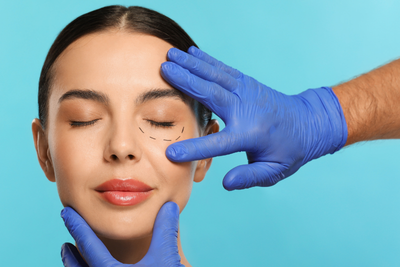
Under-eye filler is a minimally invasive aesthetic treatment that involves injecting a hyaluronic acid-based dermal filler into the area around the eyes to reduce volume loss and hollowness. The treatment aims to minimize a tired appearance and give the under-eye area a more refreshed and rested look.
People experiencing under-eye bags, hollowness, or tear troughs often consider this treatment. However, the procedure does not produce the same results for everyone. A personalized medical assessment should be performed by a doctor, taking into account the individual’s skin structure, severity of the concern, and overall health.
The longevity of the filler, potential side effects, and post-treatment care may vary from person to person. Understanding how the treatment works provides a clearer framework for these differences.
What Is Under-Eye Filler and How Does It Work?
Under-eye filler is a dermal filler treatment in which hyaluronic acid is injected into the under-eye area using fine needles or cannulas. The procedure is a hyaluronic acid-based dermal filler treatment that directly addresses the tissues around the eyes. During the procedure, a cannula or fine-gauge needle allows the filler to be placed in a controlled and even manner.
The aim of the treatment is to reduce the shadowing and dark appearance caused by under-eye hollowness and volume loss, creating a more rejuvenated appearance around the eyes. As fat tissue and collagen in the under-eye area decrease over time, the skin becomes thinner, while the underlying blood vessels and bone structure can create more noticeable shadows. The filler adds volume to the recessed area and can therefore reduce the appearance of these shadows.
Hyaluronic acid binds water within the tissue, adding volume and supporting the skin. Since hyaluronic acid is naturally present in the body, it can help maintain hydration in the treated area and add fullness to the tissue. As a result, the skin surface may appear smoother and less sunken.
The tear trough filler technique is a specialized approach used when the under-eye groove is particularly pronounced. With this technique, the filler is placed at different tissue depths and in different amounts according to the individual’s anatomy and the depth of the tear trough. Once the mechanism of the treatment is understood, the next question is who it is suitable for.
Who Is Under-Eye Filler Suitable For?
Under-eye filler may be a suitable option for adults who experience under-eye hollowness, volume loss, or a tired-looking appearance. As fat tissue around the eyes decreases with age, the tear trough may become more pronounced, giving the face an overall tired or less-rested appearance. People who are bothered by these changes may consider filler to restore localized volume.
This treatment may also be considered for people whose dark circles become more noticeable as a result of volume loss. If the dark appearance is caused primarily by shadowing from a recessed tear trough, filler can add volume to the area and reduce the appearance of the shadow. However, if under-eye bags are primarily caused by persistent skin laxity or excess tissue, the treatment approach may be different, as discussed separately below.
Better results may be achieved in individuals with adequate skin quality and elasticity who are otherwise medically suitable for the procedure. A certain degree of tissue flexibility is important for the skin and underlying tissue to adapt to the filler and for the result to appear natural. The treatment should be planned on an individual basis following a medical examination. The doctor evaluates the anatomy of the under-eye area and the underlying cause of the concern before determining the appropriate filler volume and technique. Once the suitability criteria are established, it is also important to understand when the treatment may not be recommended.
Who Is Under-Eye Filler Not Suitable For?
Under-eye filler alone may not provide sufficient results for people with pronounced under-eye bags, significant skin laxity, or excessive skin sagging. In these cases, the underlying issue may involve excess tissue or reduced skin elasticity rather than volume loss. Dermal filler is not designed to correct these structural changes. Depending on the individual case, a doctor may instead consider a surgical procedure or another treatment approach.
The treatment is generally not recommended in the presence of an active infection or active skin condition in the treatment area. Performing a filler procedure while there is an active skin problem around the injection site may increase the risk of complications and negatively affect the healing process. A known allergy or hypersensitivity to the ingredients of the filler should also be discussed with the doctor before treatment.
It is generally recommended to avoid elective filler treatments during pregnancy and breastfeeding. During these periods, hormonal changes may affect skin responses and the safety data for elective dermal filler procedures are limited, so treatment is generally postponed. People with bleeding disorders or those taking blood-thinning medication require medical evaluation before treatment, as they may have a higher risk of bruising and swelling. After determining whether the procedure is appropriate, another common question is how under-eye filler affects dark circles.
Does Under-Eye Filler Get Rid of Dark Circles?
Under-eye filler can significantly reduce dark circles caused by shadowing associated with volume loss. As fat tissue and collagen decrease in the under-eye area, the skin becomes thinner and the underlying blood vessels and bone structure can create a more pronounced shadow. This shadow can contribute to a darker appearance that may be perceived as under-eye discoloration. Hyaluronic acid filler adds volume to the recessed area, reducing the shadow and potentially improving a tired-looking appearance.
Filler alone may not be sufficient for dark circles caused primarily by pigmentation. Persistent changes in skin color result from a different mechanism than volume loss, so these cases may require complementary skincare or other treatment methods. The outcome varies depending on the underlying cause of the dark circles and the individual’s skin characteristics; the same treatment may produce different degrees of improvement in different people.
A consultation with a doctor is recommended to establish realistic expectations. During this consultation, the underlying cause of the dark circles can be assessed, and the doctor can determine whether filler should be used alone or combined with another approach. Once expectations have been clarified, the next question is how the treatment is actually performed.
How Is Under-Eye Filler Performed?
Under-eye filler treatment begins by cleansing the area and, if necessary, applying a topical anesthetic cream. This step is intended to minimize any discomfort that may be experienced during the procedure. Once the skin has been prepared, the doctor reassesses the under-eye area before proceeding with the dermal filler treatment.
Hyaluronic acid filler is injected into the under-eye area in a controlled manner using a fine cannula or needle. The use of a cannula may reduce tissue trauma and can potentially lower the risk of bruising. With the tear trough filler technique, the injection points and depth are carefully determined according to the individual’s anatomy and the structure of the tear trough.
The doctor determines the appropriate technique and amount of filler based on the individual’s skin structure and the depth of the tear trough. The same amount of filler does not produce the same result in every face, which is why treatment should be individually planned rather than performed according to a standardized template.
The procedure generally takes approximately 15–30 minutes, and recovery is usually quick. Most people can return to their normal daily activities on the same day. However, several aftercare measures should be followed once the procedure is complete.
What Should You Pay Attention to After Under-Eye Filler?
Post-treatment care can directly affect the longevity of the result and the natural appearance of the rejuvenating effect around the eyes. During the first few days, pressure should not be applied to the treated area, and rubbing or massaging the area should be avoided. Applying makeup to the under-eye area is also generally discouraged during this period, as it may irritate the injection sites and potentially interfere with the normal healing process.
Swelling and mild bruising are among the common side effects of under-eye filler and generally resolve on their own within a few days. Applying a cold compress or ice wrapped in a clean cloth, without direct contact with the skin, may help reduce swelling and provide relief. Cold applications should be brief and intermittent and should never be placed directly on the skin.
Prolonged sun exposure may cause irritation or contribute to changes in skin pigmentation in the treated area, so protecting the area from the sun during the initial recovery period is important. Following the aftercare routine recommended by the doctor, including the use of specific creams or attending follow-up appointments when advised, can support the quality of the result. Strenuous exercise, saunas, and steam rooms should be postponed for several days because increased blood flow may contribute to greater swelling and bruising.
Once the recommended aftercare measures have been followed, another important question is how long the result can be maintained.
How Long Does Under-Eye Filler Last?
The effects of under-eye filler generally last between approximately 6 months and 1.5 years. This period may vary depending on the characteristics and concentration of the hyaluronic acid filler used, the amount injected, and the individual’s skin characteristics. In some patients, the effects may diminish sooner, while in others they may remain noticeable for close to a year or longer.
Filler longevity depends on the type of hyaluronic acid used, the individual’s metabolic rate, and lifestyle factors. In people with a faster metabolism, the body may break down the filler more quickly, potentially shortening the duration of the visible effect. Lifestyle factors such as smoking, irregular sleep, and excessive sun exposure may also negatively affect longevity.
When the effects of under-eye filler gradually decrease, another treatment session may be considered. Because hyaluronic acid filler is gradually broken down by the body, it does not create a permanent change. As a result, periodic maintenance may be required to preserve the desired result. The frequency of repeat treatments depends on the outcome of the previous treatment and the individual’s expectations.
Regular follow-up with a doctor can help monitor the result over time. During periodic appointments, the doctor can assess how much of the filler remains and determine whether and when a repeat treatment may be appropriate. This follow-up process should be considered alongside other important factors to understand before undergoing the procedure.
What Should You Know Before Getting Under-Eye Filler?
One of the most important steps before undergoing under-eye filler is choosing an experienced and qualified doctor. The area around the eyes is thin and sensitive, so dermal filler treatment requires detailed anatomical knowledge and appropriate technical expertise. Incorrect injection depth or technique may increase the risk of complications associated with under-eye filler.
You should make sure that the hyaluronic acid filler being used is an approved product from a reputable manufacturer. The product’s ingredients, manufacturing standards, and the doctor’s experience with the specific product can all be relevant to the safety of treatment around the eyes. Products that are not approved or whose source is unknown may increase the risk of serious complications.
Expectations should be discussed clearly before the procedure. During the consultation, potential side effects, the recovery process, and the realistic range of results that can be achieved should be discussed with the doctor. This consultation helps ensure that expectations are aligned with what the procedure can realistically provide.
Your medical history and any known allergies should be disclosed to the doctor. Chronic medical conditions, medications you take, and previous filler treatments are factors that can directly influence the treatment plan. Once these factors have been clarified, it is also important to know what steps should be taken if a problem occurs.
What Should You Do If Under-Eye Filler Does Not Work as Expected or a Problem Occurs?
If the expected result is not achieved or asymmetry between the two eyes becomes noticeable, the first step should be to contact the doctor who performed the treatment. The doctor can reassess the amount and distribution of the filler and determine whether any correction is appropriate. Attempting to treat the area yourself or massaging it without medical advice may worsen the problem rather than resolve it.
Mild swelling, redness, or bruising are expected findings after under-eye filler and generally resolve on their own. In contrast, severe pain, sudden changes in skin color, significant hardening, or whitening of the skin require urgent medical assessment. These symptoms may indicate a vascular complication, so medical attention should be sought without delay.
In cases of swelling or lumps that occur as uncommon side effects of under-eye filler, the enzyme hyaluronidase may be considered. Hyaluronidase can break down hyaluronic acid filler and is used medically when clinically appropriate. This intervention should only be performed under the supervision of a qualified healthcare professional.
Many potential problems can be reduced through appropriate patient selection, choosing a qualified and experienced doctor, using an approved product, and following post-treatment care instructions. Regular follow-up appointments can help identify potential complications early and allow for timely medical intervention.