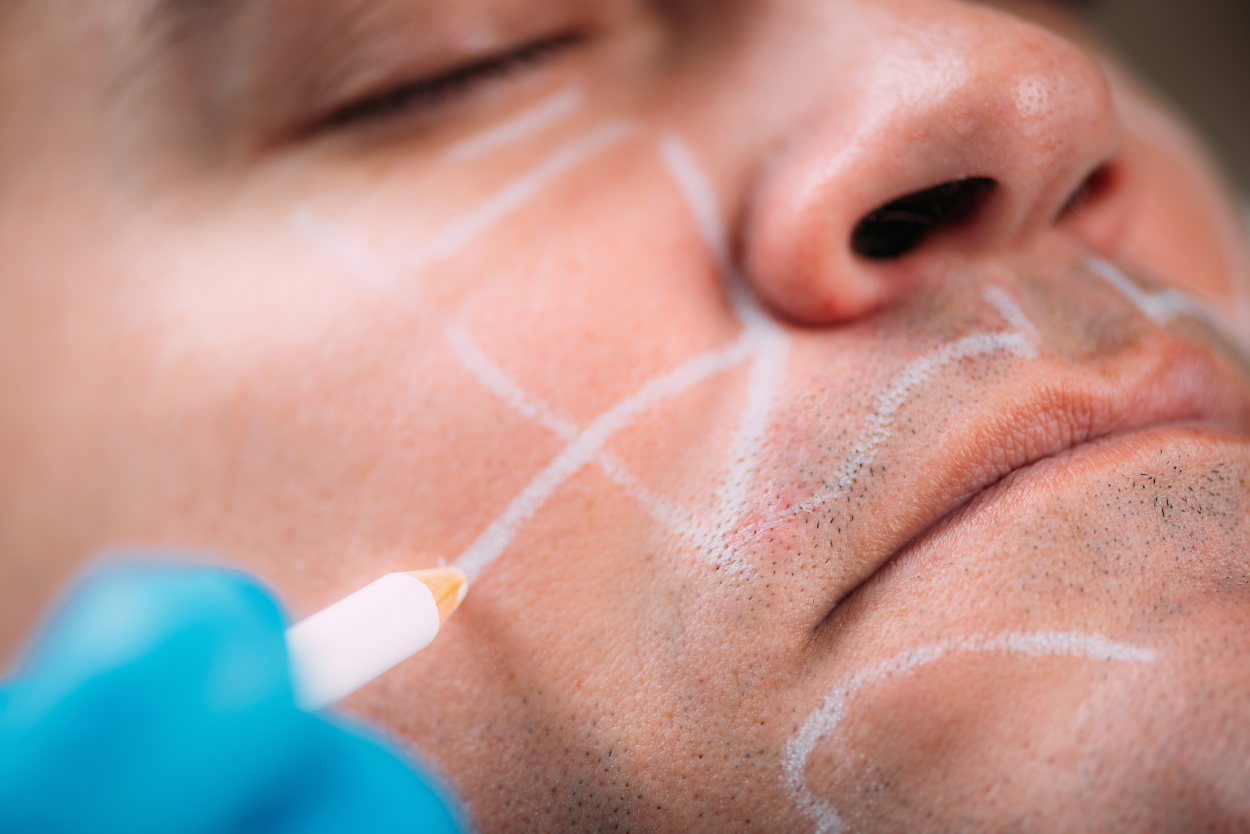
Facial symmetry is considered one of the fundamental components of aesthetic beauty. However, in reality, no face is perfectly symmetrical; small differences between the two sides are completely natural and can be observed to varying degrees in every individual. The issue arises when these differences become pronounced enough to cause a person to feel uncomfortable.
Facial asymmetry may result from bone structure, soft tissue distribution, muscle activity, or the aging process. In some cases, congenital anatomical differences are the primary factor, while in others, changes in facial volume over time make the imbalance more noticeable. Regardless of the cause, facial asymmetry can become both an aesthetic and psychological concern for many people. The imbalance visible in the mirror may negatively affect a person’s self-confidence and overall quality of life.
With recent advances in aesthetic medicine, non-surgical methods for achieving facial symmetry have become increasingly popular. Dermal filler treatments are among the most commonly preferred options in this field and are known to deliver effective results. When filler is applied to the appropriate area, in the appropriate amount, and using the appropriate technique, it can help balance facial features and create a more harmonious appearance. Thanks to advances in technology and the growing variety of available products, these treatments have become both safer and more personalized.
What Is Facial Asymmetry and Why Does It Occur?
Facial asymmetry refers to differences in shape, volume, or position between the right and left halves of the face. These differences may sometimes be so subtle that they are noticeable only in photographs, while in other cases they may be obvious in everyday life. Experts emphasize that asymmetry below a certain level is considered completely normal; what matters is whether these differences become significant enough to bother the individual. Facial asymmetry can result from many different causes:
- Genetic and congenital structural differences: Bone structure and facial anatomy are largely determined by hereditary factors. Congenital asymmetrical development of the jawbone, cheekbones, or forehead may create noticeable differences between the two sides of the face. These types of asymmetries are usually recognized from an early age.
- The uneven effects of the aging process: Facial tissues lose volume with age; however, this loss does not occur at the same rate in every area or on both sides of the face. As a result, one side may gradually appear more hollow or sagging than the other. This is particularly noticeable in the midface and lower face.
- Muscle usage habits: Individuals who use one side of their face more frequently may develop stronger muscles on that side. Chewing habits, sleeping position, or habitual facial expressions can reinforce this imbalance over time.
- Trauma and injuries: Previous accidents, surgical procedures, or impacts to the face may cause permanent changes in the bone and soft tissues, increasing facial asymmetry.
- Dental and jaw-related problems: Missing teeth, misaligned teeth, or dysfunction of the temporomandibular joint may lead to noticeable asymmetries in the lower face.
- Changes in the skin and soft tissues: Sun damage, redistribution of subcutaneous fat, or changes in connective tissue may also disrupt the balance between the two sides of the face.
Considering all of these factors, it is clear that facial asymmetry is a highly common and multifaceted condition. Correctly identifying the underlying cause directly determines the effectiveness of the chosen treatment.
Why Are Dermal Fillers Preferred for Achieving Facial Symmetry?
Various methods are available to correct facial asymmetry; however, dermal filler treatments are among the leading choices in this field. There are several practical and aesthetic reasons behind this preference:
- No surgery required: Dermal filler treatments are minimally invasive procedures that do not require general anesthesia or an operating room. This not only shortens the recovery period but also eliminates the potential risks associated with surgery. If you want to return to your daily routine quickly, this represents a significant advantage.
- Immediate and visible results: As soon as the procedure is completed, differences in facial volume begin to balance out. You may notice a visible improvement on the very same day. This immediate feedback also provides an opportunity to evaluate whether your expectations have been met.
- Reversibility: Hyaluronic acid-based fillers can be dissolved with the help of a special enzyme if necessary. This feature offers the possibility of correction if you are not satisfied with the results and provides an added level of confidence in choosing the treatment.
- Personalized treatment planning: Every face has a unique anatomy. Dermal filler treatments can be customized according to your facial structure and the type of asymmetry you have, making it possible to achieve a natural-looking and balanced result.
- Short treatment time: The procedure is generally completed in a relatively short period, allowing you to return to your daily activities quickly. There is no prolonged recovery period.
- Volume restoration and contour enhancement: Fillers not only restore lost or deficient volume but also reshape facial contours, contributing to a more balanced overall appearance. This dual effect makes the treatment particularly valuable.
- Compatibility with combination treatments: Fillers can be used together with other aesthetic procedures, such as Botox. This allows different components of facial asymmetry to be addressed simultaneously, resulting in a more comprehensive improvement.
All of these advantages make dermal fillers an attractive and accessible option for individuals seeking to achieve greater facial symmetry.
Dermal Filler Treatments by Facial Area: Which Solution Is Used for Which Type of Asymmetry?
Facial asymmetry is not a single, uniform condition; it can present itself in different areas of the face and with varying degrees of severity in each individual. For this reason, dermal filler treatments are not planned according to a single standard protocol, but rather based on the individual’s facial anatomy and the specific area affected by the asymmetry. This region-specific approach is the key to achieving both more natural-looking and longer-lasting results.
Before treatment, a qualified physician carefully evaluates the face. During this assessment, the amount of volume difference in each area, whether the asymmetry originates from the bone structure or soft tissues, and which technique is most suitable for achieving the best outcome are determined. In some cases, treating only one area is sufficient, while in others, multiple areas may need to be addressed together.
The treatment area also directly influences both the consistency and the amount of filler to be used. There are significant differences in both technique and product selection between fillers placed into deeper tissues and those injected into more superficial areas. For example, denser filler products are generally preferred in areas with insufficient bony support, whereas more fluid formulations may be used beneath thinner skin.
The dynamic nature of the face must also be taken into consideration. In areas where facial muscles are used extensively for expression, the distribution and longevity of the filler may vary. Therefore, when planning the treatment, the physician should evaluate not only the face at rest but also its appearance during movement. Your daily facial expressions and movement patterns are also important factors that shape this planning process.
As a result, adopting an area-specific approach allows for both more natural-looking and longer-lasting outcomes. The following sections explain dermal filler approaches for correcting asymmetry in different areas of the face in detail.
Dermal Fillers for Cheek Asymmetry
The cheek area represents one of the most defining volume regions of the face. Differences in volume or height between the two cheeks directly affect the overall facial balance and can create a highly noticeable impression of asymmetry. Volume loss associated with aging may make asymmetry in this area even more pronounced.
To correct asymmetry in this region, filler is generally injected over the cheekbone or into the mid-cheek area. The goal is to match the side with less volume to the opposite side, creating a balanced appearance. During the procedure, the proportions of both cheeks are carefully considered; only the deficient side is treated, while the unaffected side remains unchanged.
Cheek fillers may also reduce hollowness and shadowing in the midface. As a result, they can provide benefits not only for facial symmetry but also for the overall freshness of the face. The amount and placement of the filler are crucial for achieving natural-looking results; therefore, the procedure is recommended to be performed by an experienced specialist.
Dermal Filler Approach for Chin and Lower Face Asymmetry
The lower face, particularly the jawline and chin, is one of the key areas that determine overall facial symmetry. Differences in height or width between the two sides of the jawbone may cause the face to appear noticeably tilted or unbalanced. These types of asymmetries can easily be observed from both the front and side views.
In this area, dermal fillers may be used for two different purposes: reshaping the chin and correcting volume imbalance between the two sides of the jawline. Filler placed in the chin helps refine the facial profile while also contributing to the symmetry of the lower face.
For jawline asymmetry, filler is applied to the less prominent side in order to minimize the difference between the two sides. This procedure is particularly effective for balancing structural differences caused by dental or jaw-related conditions at the soft tissue level. Before treatment, the anatomy and muscular structure of the lower face should be carefully evaluated. Proper planning is the key to achieving a natural and proportionate appearance in this area.
Correcting Forehead and Eyebrow Asymmetry with Dermal Fillers
The forehead and eyebrow position directly determine the symmetry of the upper half of the face. One eyebrow sitting higher or lower than the other, or irregularities on the forehead surface, may disrupt the overall facial balance. This may also cause a person to appear constantly tired or tense.
For eyebrow asymmetry, filler may be injected along the upper border of the lower eyebrow or into the area beneath it to create a subtle lifting effect. This approach helps improve visual balance without requiring a surgical brow lift. The result can give the face a more open and refreshed expression.
Depressions or irregularities in the forehead may also be corrected with dermal fillers. In particular, asymmetrical indentations on the forehead surface can be smoothed using fillers with a thinner consistency. However, since the forehead contains important vascular structures, it is essential that treatments in this area be performed only by an experienced physician who specializes in these procedures.
Dermal Filler Techniques for Lip Asymmetry
Because the lips are among the most noticeable facial features, asymmetries in this area are often highly visible. Common forms of lip asymmetry include differences in height between the two sides of the upper lip, uneven fullness of the lower lip, or corners of the mouth positioned at different levels. These differences may become even more apparent while speaking or smiling.
The goal of lip filler treatment is not only to add volume but also to create balance between the two sides of the lips. Therefore, lip symmetry is carefully analyzed before the procedure, and filler is placed only in the deficient side or area.
For asymmetry at the corners of the mouth, filler is carefully injected into the corner regions to bring both sides to the same level. Fine lines around the lips may also be addressed during this process. To achieve a natural-looking result, both the amount and distribution of the filler must be planned with great precision. Conservative corrections generally produce the most satisfying outcomes.
Dermal Fillers for Under-Eye and Temple Asymmetry
The under-eye and temple areas are among the facial regions where age-related volume loss becomes most apparent. Asymmetry in these areas typically presents as differences in the depth of under-eye hollows or temple depressions between the two sides. In such cases, individuals often notice that they appear tired or older.
Dermal filler injected into the under-eye area helps reduce dark circles and hollowness while also improving the visual balance between the two eyes. Since this is one of the most delicate areas of the face, it requires fillers with a thinner consistency and a meticulous injection technique. When performed by experienced practitioners, the results can appear highly natural and refreshing.
Depressions in the temple area may cause the upper face to appear narrow and tired. Temple filler restores volume to these hollow areas, giving the overall facial contours a more balanced and revitalized appearance. In addition, because volume loss in the temples may also influence eyebrow position, filler treatment in this region may indirectly contribute to correcting eyebrow asymmetry.
How Does the Dermal Filler Treatment Process Work?
Dermal filler treatment is carried out as a systematic process consisting of several stages. Each step is critical for achieving safe and effective results. Understanding the entire process allows you to approach the treatment with greater preparation and awareness:
- Initial evaluation and analysis: The physician examines your face both at rest and during facial expressions. The location, degree, and underlying cause of the asymmetry are identified. Photographic analysis may also be included at this stage. Your overall health status and any previous aesthetic procedures are also taken into consideration.
- Creating a personalized treatment plan: Based on the evaluation, the physician determines which areas will be treated, what type of filler product will be used, and how the procedure will be performed. Your expectations and facial anatomy form the foundation of this plan. The physician maintains clear communication to ensure that your expectations remain within realistic limits.
- Preparation and anesthesia: The treatment area is cleansed, and when necessary, a topical numbing cream or local anesthesia is applied. This minimizes discomfort during the procedure and allows for a more comfortable treatment experience.
- Filler injection: The filler is injected into the designated areas using a fine needle or cannula. The physician applies the product gradually and in a controlled, layer-by-layer manner to achieve the desired volume and contour. The technique used may vary depending on the anatomy of the area and your individual needs.
- Immediate evaluation and adjustment: The results are assessed immediately after the treatment is completed. If necessary, additional adjustments are made, or the filler is gently shaped through massage.
- Post-treatment care and follow-up: You are informed about the precautions to follow after the procedure. A follow-up appointment is scheduled after a certain period to evaluate the longevity of the results and your level of satisfaction.