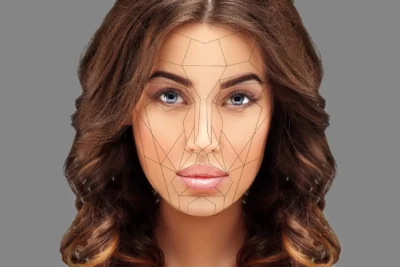
As filler applications become increasingly common in aesthetic medicine, considering gender differences is critical. The significant differences between male and female facial anatomy necessitate different approaches in the planning and implementation of filler procedures. Understanding these anatomical differences ensures more successful outcomes for both doctor and patient.
Why is Gender Awareness Important in Fillers?
Gender awareness is essential for achieving successful and natural-looking results in filler applications. Male and female facial structures exhibit significant differences in terms of hormones, genetic factors, and aging processes. Procedures that ignore these differences can lead to undesirable results and patient dissatisfaction.
Masculine and feminine facial features directly influence social perceptions of gender. While women prefer soft lines, oval faces, and prominent cheekbones, men expect angular jawlines, prominent brow bones, and a more masculine profile. To meet these expectations in filler applications, a detailed analysis of the anatomical structure is necessary.
When planning facial filler applications based on gender, the goal is to achieve aesthetic improvements while preserving the patient’s natural facial features. This approach provides optimal results, both functionally and aesthetically, and contributes to a greater sense of well-being.
What Are the Fundamental Differences Between Male and Female Facial Anatomy?
The fundamental differences between male and female facial anatomy manifest themselves in bone structure, soft tissue distribution, and skin characteristics. These differences are present from birth and become more pronounced during puberty under the influence of hormones. Gender dimorphism and aesthetic perception determine how these anatomical structures should be evaluated in aesthetic procedures.
Differences in Bone Structure
Men generally exhibit larger, thicker, and more angular bone structures. The mandible (lower jaw) is wider and squarer, and the temporal bones are more prominent. Women, on the other hand, tend to have thinner, rounder, and smaller bones. The frontal bone is flatter, while the occipital bone is less prominent. These differences directly influence the technique and material selection used in filler applications.
Soft Tissue Characteristics
Soft tissue distribution varies significantly between genders. In women, subcutaneous fat is thicker and more homogeneously distributed, creating softer facial features. In men, muscle tissue is more developed, while fat tissue is less and more heterogeneously distributed. This affects the placement depth and distribution pattern of the filler material.
Skin Thickness and Structure
Male skin is on average 25% thicker than female skin and contains more collagen. Sebum production is more intense, and pores are more pronounced. Female skin is thinner, more sensitive, and more prone to collagen loss. These differences are important factors to consider when planning filler application, injection depth, and follow-up.
How to Identify Differences in Nasal Anatomy Between Men and Women?
Gender differences in nasal anatomy are one of the most important considerations in filler applications. Male and female nasal structures exhibit significant differences in size, shape, and angle measurements. Accurately analyzing these differences is critical for successful nasal filler application.
Nasal Bone Structure
In men, the nasal bones are wider, thicker, and more prominent. The nasal root is deeper, and the nasal dorsum presents a wider and flatter profile. In women, the nasal bones are thinner and narrower, the nasal root is shallower, and the nasal dorsum is more concave. These anatomical differences determine the technique and amount of material used in filler application.
Nasal Tip Characteristics
Nasal tip anatomy varies significantly between genders. In men, the nasal tip is larger, wider, and more angular. The nasolabial angle is narrower (90-95 degrees), and the nasal tip projects less. In women, the nasal tip is smaller, thinner, and rounder. The nasolabial angle is wider (95-110 degrees), and the tip of the nose projects more.
Nasal Skin Thickness
Men have thicker nasal skin than women and produce more sebum. This makes the filler less visible under the skin and requires more material. Because women have thinner nasal skin, the filler material is more visible, and effective results can be achieved with less material.
What Are the Gender Differences in the Chin and Cheek Area?
The chin and cheek areas are the most important anatomical areas that determine the masculine or feminine appearance of the face. Gender differences in these areas necessitate different approaches in filler applications. Male and female filler expectations differ most significantly in these areas.
Jawline Characteristics
In men, the jawline is wider, squarer, and has pronounced angles. The mandibular angle is narrower (120-130 degrees) and the chin is wider. In women, the jawline is narrower, oval, and has softer lines. The mandibular angle is wider (130-140 degrees) and the chin is more pointed and smaller. These differences determine the desired shape for chin filler applications.
Cheekbone Structure
Cheekbone anatomy varies significantly between genders. In men, the zygomatic bones are wider and more laterally positioned, and the cheekbones are less prominent. In women, the zygomatic bones are narrower and more anteriorly positioned, while the cheekbones are more prominent and higher. This anatomical structure necessitates the use of different techniques in cheek filler applications.
Facial Ovality and Angles
Facial ovality and angles are key factors influencing gender perception. In men, the face is more square-shaped, the vertical dimension is longer, and the angles are sharper. In women, the face is more oval-shaped, the horizontal dimension is wider, and the angles are softer. These differences demonstrate how gender-specific facial anatomy should be considered in filler applications.
How Do Male-Female Differences in the Eye and Forehead Affect the Eye?
The eye and forehead are critical anatomical areas that determine facial expression and age perception. Gender differences in these areas are factors that must be carefully analyzed in filler applications. Anatomical differences between men and women necessitate different aesthetic goals in these areas.
Brow Position and Shape
In men, eyebrows are straighter, thicker, and positioned at or below the orbital rim. The brow tail is lower than the head of the eyebrow and generally has a horizontal course. In women, eyebrows are more arched, thinner, and positioned above the orbital rim. The brow tail is higher than the head of the eyebrow and exhibits a distinct arch. These differences determine the desired shape in filler applications for the eyebrow and forehead.
Eye Contour Anatomy
The eye contour anatomy varies significantly between genders. In men, the orbital rim is more prominent, the eyelids are thicker, and the musculature around the eyes is more developed. In women, the orbital rim is less prominent, the eyelids are thinner, and the eye contour is more sensitive. These anatomical differences influence the selection of techniques and materials used in eye contour filler applications.
Forehead Structure and Slope
The forehead structure and slope are important factors determining the overall facial appearance. In men, the forehead is wider, the frontal bones are more prominent, and the forehead slopes more backward. In women, the forehead is narrower, the frontal bones are less prominent, and the forehead slopes more steeply. These differences necessitate anatomical planning for forehead filler applications.
How Should Gender Differences Be Considered in Fillers?
Considering gender differences in filler procedures is key to achieving successful and natural-looking results. Differences between male and female patients should be analyzed for each anatomical region, and treatment plans should be developed accordingly. This approach both increases patient satisfaction and reduces the risk of complications.
Gender Factors in Nose Fillers
Gender is a critical factor in nose filler procedures. While men aim for a more masculine and strong nasal profile, women prefer more feminine and elegant lines. Male patients may require more material, and dorsal augmentation may be more pronounced. In female patients, more subtle adjustments and increased tip projection are prioritized
Chin and Cheek Fillers
Gender differences are most evident in chin and cheek filler procedures. In men, chin fillers create a more square and strong jawline, while women aim for more oval and elegant lines. Lateral augmentation is preferred for cheek fillers in men, while anterior projection enhancement is preferred for women. These different approaches support the natural anatomical characteristics of each gender.
Eye and Forehead Fillers
Gender differences in eye and forehead filler applications should be carefully considered. While more subtle applications are preferred in men, more significant improvements can be achieved in women. In the forehead area, men maintain frontal bossing, while women aim for a flatter, smoother surface. For eye contour applications, gender-specific anatomical structures are taken into account when planning.
How to Consider Male and Female Differences in Non-Surgical Procedures Like Fillers?
Recognizing gender differences in non-surgical aesthetic procedures is essential for achieving successful results. In minimally invasive procedures like fillers, the differing expectations, anatomical characteristics, and social factors of male and female patients should be considered. This approach optimizes both the treatment process and the results.
Male patients generally aim for a more masculine and powerful appearance, while a natural appearance is prioritized. It is often preferable for significant changes in their social lives to be subtle. In female patients, more pronounced aesthetic improvements may be acceptable, emphasizing feminine features. These differing expectations should be considered in treatment planning.
Pain tolerance, recovery, and follow-up schedules may also differ between genders. While men generally have a higher pain tolerance, women may require more detailed follow-up and care programs. These factors should be considered during pre-treatment consultations and post-treatment follow-up.
How Does Male and Female Facial Anatomy Change During the Aging Process?
The aging process exhibits different patterns in men and women, and these differences are critical in planning filler applications. Hormones, genetic factors, and lifestyle are the primary factors determining gender differences in the aging process. Understanding these changes allows for the development of age-appropriate filler strategies.
In women, declining estrogen levels during menopause lead to decreased collagen production and loss of skin elasticity. Facial volume loss begins earlier and progresses more rapidly. In men, however, the gradual decline in testosterone levels leads to loss of muscle mass and a decrease in skin thickness, but this process progresses more slowly.
These gender differences in the aging process necessitate different approaches in filler applications. While restoration of volume loss is prioritized in women, structural support and contour enhancement are targeted in men. These different approaches ensure results consistent with the natural aging patterns of each gender and increase patient satisfaction.