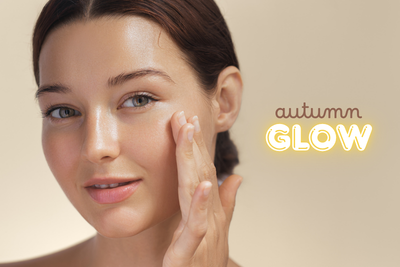
Autumn is a transitional season in which not only the temperature but also the skin needs a new balance. Skin that has been exposed to the sun, sea, and heat throughout the summer encounters a different environment with the arrival of September and October: lower humidity, cooler winds, and changing light conditions. This is precisely where the concept of “autumn glow” becomes meaningful.
Autumn glow can be defined as the face displaying a rested, hydrated, and light-reflective appearance rather than looking tired or dull. This is not merely an aesthetic goal; it is also a reflection of genuinely healthy skin. To maintain or regain this radiance in autumn, it is necessary to consider both daily skincare habits and, when needed, professional approaches together.
What Does “Autumn Glow” Really Mean?
Autumn glow is a concept that refers to the skin displaying a bright, hydrated, and rested appearance during the autumn months. However, this radiance goes beyond a superficial aesthetic concern and serves as an indicator of the skin’s biological balance.
Healthy skin can reflect light evenly; for this, its surface texture must be smooth, its moisture balance must be maintained, and its tone must remain even. Sun damage, dryness, and irregular pigmentation accumulated after summer disrupt this reflection. Autumn glow is the result of a rebalancing process that comes into play at precisely this point.
At the heart of the concept lie “natural results.” Restoring moisture and texture balance in accordance with the skin’s own anatomical structure allows the face to look fresh and vibrant without giving the impression of artificial intervention. Therefore, autumn glow is not a result achieved through a single product or a single procedure; rather, it is the outcome of a holistic skincare approach suited to the seasonal transition. With the right approach, both daily routines and professional treatments can contribute to this balance.
Why Does the Glow Disappear When Summer Ends?
The vibrant appearance gained during the summer months can noticeably fade in the first weeks of autumn. There are several biological and environmental reasons behind this:
- Moisture loss and dryness: Autumn weather challenges the skin’s ability to retain water. Insufficient moisturization causes the skin’s surface to become rough and prevents it from reflecting light evenly. Dehydrated skin also becomes more prone to uneven skin tone.
- Traces left by the summer sun: Prolonged UV exposure can cause irregular pigmentation and superficial damage to the skin’s texture. This damage can contribute to the skin appearing dull and tired in autumn.
- Dead skin cell buildup: During seasonal transitions, the skin’s renewal cycle may slow down. Dead cells accumulating on the surface obscure the skin’s natural radiance and make uneven skin tone more noticeable.
- Failure to update the skincare routine: Lightweight formulas designed for summer may be insufficient to meet the skin’s needs under the cooler and drier conditions of autumn. Reassessing the routine during seasonal transitions is important for maintaining skin balance.
- Changes in sleep and dietary patterns: Adequate sleep and a nutrient-rich diet directly affect skin quality. Disruptions to these habits can negatively affect the face’s rested appearance.
The First Step to Glow: Enabling the Skin to Reflect Light
The first step toward autumn glow is achieving a skin surface texture capable of reflecting light. The following steps provide a basic framework for this:
- Gentle exfoliation: Regularly removing the layer of dead cells from the skin’s surface lays the groundwork for the skin to reveal a newer and more radiant texture. During seasonal transitions, gentle exfoliation supports an even skin tone and encourages skin renewal.
- Deep moisturization: Under autumn conditions, the skin needs more intensive moisture support. Moisturizers containing ceramides and glycerin can help reduce water loss by strengthening the skin barrier.
- Brightening active ingredients: Vitamin C is an ingredient that stands out for its effectiveness against uneven skin tone and its brightening properties. Niacinamide plays a supportive role in improving the appearance of pores and balancing skin tone.
- Continuing SPF use: Although the weather becomes cooler in autumn, UV rays continue to affect the skin. Continuing to use sunscreen prevents the damage accumulated throughout the summer from increasing and supports skin quality.
- Face mask applications: Moisturizing masks applied at regular intervals can positively support skin hydration and overall skin health.
Is a “Rested Face” Appearance Determined by Skincare Alone?
A rested facial appearance is not a result that can be achieved through topical skincare products alone. For the face to look genuinely rested, multiple factors must be considered together.
Sleep quality and dietary habits are among the most fundamental internal factors reflected in the skin’s surface. A nutrient-rich diet and adequate sleep support the skin’s renewal capacity and overall vitality.
On the other hand, facial muscle dynamics also directly affect a rested appearance. Excessive activity of facial expression muscles can lead to expression lines becoming more pronounced over time. At this point, some aesthetic physicians consider medical treatments that temporarily regulate muscle activity. Autumn may stand out as a suitable period for such treatments; cooler weather can make the recovery process more comfortable.
As a result, a rested facial appearance is the outcome of holistic planning in which skincare, lifestyle habits, and, when necessary, professional aesthetic approaches are considered as a whole. Personalized planning plays a decisive role in this process, as every individual’s skin structure and anatomical characteristics are different.
What Is the Connection Between Hyaluronic Acid and Autumn Glow?
Hyaluronic acid technology is one of the key components at the heart of the autumn glow goal. This molecule, which supports the skin’s moisture balance and plumpness, plays a critical role in autumn skincare.
- Deep hydration support: Serums containing hyaluronic acid help prevent skin dehydration by binding moisture to the skin’s surface and deeper layers. This support is valuable for maintaining skin quality against the increased tendency toward dryness in autumn.
- Improvement of skin texture: Adequate hydration contributes to a smoother and more light-reflective appearance of the skin’s surface. Dehydrated skin becomes more prone to uneven skin tone and a dull appearance.
- Biocompatibility in professional treatments: Hyaluronic acid is also used in dermal filler treatments in the field of aesthetic medicine. High-viscosity and biocompatible formulas aim to deliver results that support natural anatomy by prioritizing tissue compatibility. These treatments can restore the balance of facial contours in areas where volume loss has occurred.
- Complementarity of topical and professional approaches: The use of products containing hyaluronic acid in a daily routine and, when necessary, professional treatments considered under the guidance of a qualified aesthetic physician form a complementary whole.
What Can Be Done for a Brighter and More Rested Appearance?
Both daily habits and professional evaluations, when necessary, can come into play to achieve autumn glow. The prominent approaches in this process can be listed as follows:
Adapting the daily skincare routine to the season: In autumn, the skin needs richer moisturizers and supportive active ingredients. Brightening ingredients such as vitamin C and niacinamide can help balance skin tone and increase radiance. Botanical oils and hydrosol-based products can support the skin’s moisture balance and elasticity.
Chemical peeling treatments: Chemical peeling treatments can be considered to repair sun damage accumulated after summer and renew skin texture. Such procedures can provide a supportive effect in evening out skin tone and improving surface texture.
Professional aesthetic evaluation: Beyond skincare, consulting a qualified aesthetic physician about concerns such as volume loss in facial anatomy or expression lines is the safest way to create a personalized plan. Autumn may be a suitable period for such evaluations.
Lifestyle habits: Adequate sleep and a balanced diet are essential elements that support skin quality from within.
The Formula for Autumn Glow: Not More, but the Right Approach
Autumn glow is achieved not by increasing the number of products or accumulating intensive treatments, but by applying the right approach at the right time. Autumn is a biologically favorable period for the skin to regain its balance; making the most of this opportunity requires a holistic perspective rather than complex formulas.
Adapting skincare to the seasonal transition, renewing surface texture, and maintaining moisture balance are among the main priorities. In addition, professional approaches that support the natural structure of facial anatomy can also be part of this process. What matters is creating a personalized plan while taking into account that every individual’s skin structure and aesthetic needs are different.
To support the autumn glow appearance, properly assessing the face’s natural anatomy and needs is just as important as maintaining the skin’s moisture balance. Gloderm’s hyaluronic acid-based dermal filler products, developed on the basis of Swiss R&D, can be considered, following an evaluation by a qualified physician, to support facial volume balance and achieve a more rested appearance. Selecting the appropriate products and planning treatments according to the individual’s skin structure and aesthetic needs play an important role in achieving natural results. The aim of the autumn glow approach is not to change the character of the face, but to support its natural appearance. To learn more about suitable products and treatment options, you can explore Gloderm products and consult a qualified aesthetic physician.