What Causes Midface Volume Loss? Achieve a Youthful and Fuller Appearance with Dermal Fillers
The cheekbones, cheeks, and under-eye area located in the middle region of the face play a crucial role in creating a vibrant and youthful appearance. However, over time, a noticeable loss of volume and sagging can occur in this area. This condition, known as midface volume loss, can give a person a tired, aged, and dull appearance.
This change, which is an inevitable part of the aging process, occurs as a result of multiple factors coming together, including the depletion of fat tissue, reduced skin elasticity, and structural changes in the facial bones. Today, thanks to the dermal filler treatments offered by aesthetic medicine, this volume loss can be corrected without the need for surgical intervention. Midface filler treatment has become an increasingly popular option for individuals seeking a natural and fuller appearance. For those who notice such changes in their facial features, consulting a specialist at an early stage can help achieve more natural and longer-lasting results.
What Is Midface Volume Loss?
The midface is anatomically defined as the area extending from beneath the eyes down to the level of the nose and upper lip. This region consists of the cheekbones, malar fat pads, and surrounding soft tissues. In a youthful face, this area appears full, elevated, and well-defined; the cheekbones are prominent, and the cheeks display a subtle, rounded contour.
Midface volume loss is characterized by the visible reduction of volume and the onset of sagging in this region. The downward displacement of the cheek fat pads, the loss of cheekbone definition, and the formation of a deep groove between the under-eye area and the cheeks are among the primary indicators of this condition. These changes can give the face a tired, hollow, and aged appearance.
This condition is not limited to older individuals. It can also occur in younger people due to genetic predisposition, rapid weight loss, or certain lifestyle-related factors. Beyond being an aesthetic concern, midface volume loss can directly affect a person’s self-confidence and social perception. It may cause an individual to appear older than their actual age or create the impression of being constantly tired. For this reason, it is a condition that should be addressed from both aesthetic and psychological perspectives.
Today, effective and safe treatment options are available for this concern. In particular, dermal filler treatments have proven highly successful in restoring volume to the midface area, helping to re-establish overall facial balance, contour, and vitality.
What Causes Midface Volume Loss?
There are multiple factors behind volume loss and hollowing in the midface area. Most of these factors are interconnected and tend to manifest together over time.
- Natural aging process: As we age, the fat tissue beneath the skin gradually diminishes and redistributes. The cheek fat pads descend, creating a noticeable hollow appearance in the midface.
- Loss of collagen and elastin: Over time, the skin slows its production of collagen and elastin. The reduction of these proteins weakens the skin’s supportive structure and contributes to sagging. As a result, the skin becomes thinner and loses its elasticity.
- Changes in bone structure: The facial bones also lose volume with age. The recession of the cheekbones can cause the overlying soft tissues to appear more sunken and less supported.
- Rapid and excessive weight loss: Significant weight loss in a short period of time can also reduce facial fat tissue. This may lead to sudden hollowing and sagging in the midface region.
- Genetic predisposition: In some individuals, the midface area may naturally have less volume due to hereditary factors, or signs of aging may appear earlier. In such cases, midface hollowing can become noticeable at a relatively young age.
- Sun damage and environmental factors: External factors such as prolonged sun exposure and smoking can accelerate skin deterioration, contributing to the early development of midface volume loss.
What Are the Symptoms of Midface Volume Loss?
Midface volume loss can manifest in various ways. While the symptoms may differ from person to person, they generally appear as visible changes in the central area of the face.
One of the most common signs is the development of deep hollows between the under-eye area and the cheeks. These hollows can give the face a tired and fatigued appearance, making a person look unrested even after getting sufficient sleep. The loss of cheekbone definition and the flattening of the cheeks are also frequently observed changes.
As the cheek fat pads descend, the lines extending from the sides of the nose to the corners of the mouth—known as the nasolabial folds—become more pronounced. This can create an older and more sunken facial appearance. In addition, the transition between the lower eyelid and the cheek becomes more noticeable, which may cause under-eye circles to appear darker and deeper.
As volume loss in the midface progresses, the face gradually loses its youthful oval shape and may develop a more angular or hollow contour. When looking in the mirror, individuals may feel that they appear older than their actual age. For some people, these changes are not only an aesthetic concern but can also lead to psychological distress due to worries about appearing constantly tired or unhappy in social settings.
Recognizing these symptoms at an early stage can make it easier to implement appropriate treatment options in a timely manner. Being aware of the characteristic signs of midface volume loss is an important first step toward choosing the right course of action.
How Is Midface Volume Loss Treated with Dermal Fillers?
Dermal filler treatment is considered an effective, non-surgical solution for correcting midface volume loss. The procedure generally involves the following steps:
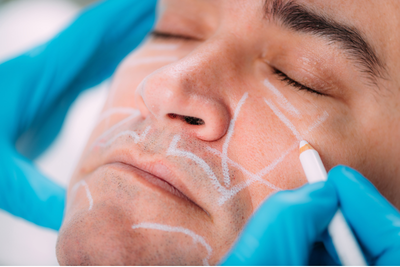
- Consultation and facial analysis: The specialist evaluates the individual’s facial structure and the degree of volume loss. During this stage, the areas to be treated and the amount of filler required are determined, and a personalized treatment plan is created. Expectations and potential outcomes are also discussed in detail during the consultation.
- Preparation of the treatment area: Before the procedure, the treatment area is thoroughly cleansed. If necessary, a topical anesthetic cream or local anesthetic injection is applied to numb the area. This helps minimize discomfort during the treatment.
- Injection of the filler material: A hyaluronic acid-based dermal filler is injected into the targeted areas using a fine needle or cannula. The cheekbones, cheek fat pads, and under-eye hollows are among the areas that benefit most from this treatment.
- Shaping and refinement: After the filler has been injected, the physician gently massages and shapes the treated tissue. This step helps ensure even distribution of the filler and contributes to a natural-looking result.
- Post-treatment evaluation: Once the procedure is completed, the results are assessed. Minor adjustments can be made if necessary. The session concludes with post-treatment care instructions provided to the patient. The final outcome becomes more apparent after any mild swelling has subsided.
Who Is a Suitable Candidate for Midface Filler Treatment?
Midface filler treatment is a versatile procedure that can benefit a wide range of patients. However, since results may vary from person to person, suitability should always be assessed by a qualified medical professional.
Individuals experiencing noticeable volume loss in the cheeks and cheekbone area, as well as those with deep hollows between the under-eye region and the cheeks, may benefit from this treatment. For adults who have developed facial hollowing and sagging due to the aging process, dermal fillers offer an effective non-surgical solution.
Younger individuals who naturally have a flat or less voluminous midface due to their genetic characteristics may also be suitable candidates for this procedure. Likewise, people who have experienced sudden facial volume loss following rapid weight reduction may find filler treatment to be an appropriate option. In general, any adult in good overall health with realistic expectations may be considered a candidate for this treatment.
On the other hand, certain conditions may limit the suitability of the procedure. Midface filler treatment may not be recommended for individuals who are pregnant or breastfeeding, those with active infections or skin conditions in the treatment area, or people taking certain blood-thinning medications. In addition, individuals with unrealistic expectations or severe skin laxity may not achieve satisfactory results with fillers alone, and alternative treatment options may be recommended.
Ultimately, the decision regarding whether midface filler treatment is appropriate should be made by an experienced aesthetic physician after carefully evaluating the individual’s overall health and facial anatomy.
What Should Be Considered After Midface Filler Treatment?
After dermal filler treatment, it is important to follow certain guidelines to enhance the longevity of the results and minimize potential side effects.
- Avoid touching the treated area: After the procedure, unnecessary touching or rubbing of the injection site should be avoided, as this may cause the filler to shift to unwanted areas. Pressure on the area should also be avoided.
- Avoid intense physical activity: In the first few days following the procedure, strenuous exercise and sports should be avoided, as these activities may increase swelling and bruising.
- Protect from excessive heat: Heat sources such as saunas, steam rooms, hot showers, and prolonged sun exposure are not recommended for a certain period after the treatment. Heat may increase swelling and negatively affect the healing process.
- Limit alcohol consumption: Alcohol can accelerate blood circulation, which may make swelling and bruising more pronounced.
- Pay attention to sleeping position: During the first nights, avoiding sleeping face down can be beneficial for proper settling and shaping of the filler.
- Be cautious with makeup: It is recommended to avoid applying heavy makeup to the treated area on the first day, allowing the skin to breathe and supporting the recovery process.
- Do not skip the follow-up appointment: Attending the follow-up session recommended by the physician is important for evaluating the results and making minor adjustments if necessary.
Following all these recommendations helps maximize the benefits of the filler treatment and supports a smoother recovery process.