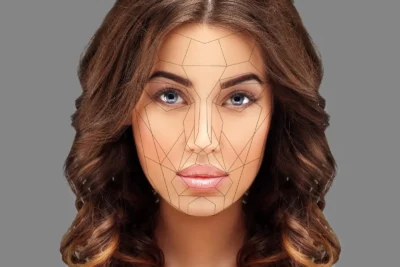
In recent years, a particular approach has become increasingly prominent in the world of aesthetic medicine: dermal filler treatments that do not look like cosmetic work has been done, do not disrupt the natural balance of the face, and simply create a “more rested, fresher” impression. This approach is known in English as “undetectable filler,” meaning filler that cannot be noticed, and represents an aesthetic philosophy that more and more people are seeking.
When considering dermal fillers, many people immediately think of overfilled, exaggerated appearances. However, treatments performed with proper planning, appropriate product selection, and evaluation by a qualified aesthetic physician can support the anatomical structure of the face. The goal is not to make someone look like a different person, but to restore the volume lost with aging and the changes in facial contour balance in a way that is consistent with biological reality.
Hyaluronic acid-based fillers offer a significant advantage in terms of biocompatibility because they are built around a component naturally found in the skin. This fundamental characteristic provides the scientific basis for achieving natural-looking filler results. However, regardless of how advanced the technology becomes, the most critical factors determining the outcome are always personalized planning and the experience of the physician performing the treatment.
The concept of natural-looking fillers is fundamentally transforming attitudes toward aesthetic interventions. Today, many people prioritize feeling better about themselves and seeing a fresher face in the mirror rather than having others notice a change. This shift in mindset takes the “undetectable filler” approach beyond a mere technical preference and turns it into an expression of a personal aesthetic philosophy.
What Does “Undetectable Filler” Mean?
The term “undetectable filler” is used to describe dermal filler treatments that go unnoticed by others after application and do not create the impression of an artificial change in the face. At the heart of this approach lies the principle of maintaining anatomical balance while enhancing facial features.
Hyaluronic acid is a component naturally found in the skin and known for its moisture-retaining properties. The fact that this molecule is not foreign to the body provides an important foundation for tissue compatibility. When filler treatments are based on this component, the results often feel more organic and closer to the face’s own natural tissues.
The primary goal of undetectable filler is to help individuals achieve an appearance that makes them feel fresher and more rested while preserving the face’s overall expression and character. When filler treatments are planned individually and the goal is to achieve a natural and symmetrical appearance, the results often align with this definition. In short, “undetectable filler” can be considered a concept that reflects not the presence of an aesthetic intervention, but the quality and precision of that intervention. For this reason, the concept is regarded not merely as a technical term but also as an indication of a more mature understanding of aesthetics.
Why Should a Good Dermal Filler Go Unnoticed?
The primary goal of natural-looking fillers is to support the face’s own anatomy. An undetectable treatment is, in fact, an indication of successful planning and proper technique. Several key reasons explain why this approach is valuable:
- Preserves facial contour balance: Filler applied in the correct amount and to the appropriate area addresses volume loss without disrupting the overall proportions of the face, allowing the result to look organic.
- Works in harmony with natural anatomy: The biocompatible structure of hyaluronic acid-based products creates a natural feel within the tissue and integrates with surrounding tissues.
- Supports personal confidence: A sense of freshness that makes people around someone ask “What has changed?” without being able to identify exactly what is different can contribute to making the person feel better about themselves. This subtle transformation often brings the most lasting satisfaction.
- Contributes to long-term skin quality: The moisture-retaining properties of hyaluronic acid may have a positive effect not only on volume but also on skin hydration.
- Highlights the safety profile: As minimally invasive treatments, dermal filler procedures can be performed without surgical intervention, shortening the recovery process and allowing a quick return to daily life.
Where Does a Natural Look Begin, and Where Does Overfilling Start?
The boundary between natural-looking filler and excessive application often lies more in planning than in the amount used. Filler placed in the appropriate quantity and location according to the anatomical structure of the face addresses volume loss while preserving the face’s overall expression. In contrast, applying more filler than necessary can disrupt the natural flow of facial features and lead to an artificial appearance.
Fillers applied to different areas, such as the cheekbones, cheeks, under-eye area, lips, and chin, should be planned according to the unique anatomical requirements of each region. For example, cheek fillers can provide a more youthful appearance by addressing volume loss associated with aging, but excessive application may negatively affect facial proportions. Similarly, lip fillers can define the contours and increase volume; however, when this balance is not maintained, the result moves away from natural anatomy.
Personalized planning of filler treatments plays a decisive role in correctly establishing this boundary. When the goal is always to achieve symmetrical and natural-looking filler results, the answer to the question “How much?” is shaped by the individual’s facial structure. Therefore, evaluation by an experienced, qualified aesthetic physician is critically important in determining the appropriate limits.
How Is It Possible to Say, “I Had Fillers, but Nobody Noticed”?
When people around you simply say, “You look great” after you have had fillers, it is actually a sign of a successful treatment. Achieving this result is possible when several essential steps are carried out correctly together:
- Comprehensive facial analysis: Before the treatment, the entire face is evaluated, and a plan is created by considering areas of volume loss, facial contour balance, and symmetry. Treatments performed without this analysis may produce a fragmented result rather than a harmonious overall appearance.
- Personalized product and quantity selection: The tissue structure of each area is different; therefore, the viscosity and quantity of the filler used are determined according to the individual’s anatomy. Choosing the right product directly affects tissue compatibility and a natural feel.
- Minimally invasive application technique: Dermal filler procedures do not require surgical intervention and are generally performed under local anesthesia. Temporary effects such as mild redness that may occur after treatment subside within a short period, making it easier to return to daily life quickly.
- Moderate and gradual approach: Rather than applying large amounts of filler in a single session, adopting a gradual plan based on individual needs contributes significantly to a natural-looking result. This method also allows fine adjustments to be made when necessary.
Is Undetectable Filler Applied the Same Way to Everyone?
Although achieving natural-looking filler results is a universal goal, the details of the treatment differ significantly from person to person. Facial structure, skin quality, age, areas where volume loss is concentrated, and individual expectations are variables that directly shape the planning process.
For example, under-eye fillers can reduce hollowness and dark circles while giving the eye area a brighter appearance. Chin fillers can balance the facial profile and enhance chin definition. Nose fillers allow minor asymmetries to be corrected without surgery. Each of these treatments involves different technical requirements for different anatomical regions.
Dermal filler treatments can be performed across a wide range of areas, with the under-eye region, cheekbones, lips, cheeks, and chin being among the main treatment sites. However, determining which area should be treated, how much filler should be used, and which product is appropriate requires an evaluation tailored to the individual’s facial structure. Therefore, the “undetectable filler” approach can be defined not as a standard protocol but as a dynamic process based on personalized planning. Creating a different roadmap for each individual demonstrates both the strength and flexibility of this approach.
Natural-Looking Fillers Are Not the Same as “No Change at All”
The concept of natural-looking fillers can sometimes be misunderstood. Some people may think, “Why should I get fillers if nobody is going to notice?” However, these two situations are fundamentally different.
No change at all means maintaining the existing condition. Natural-looking filler, on the other hand, is an intervention performed to address volume loss associated with aging, restore facial contour balance, and support skin quality without producing an exaggerated appearance. The individual sees a fresher, more rested version of themselves in the mirror, while those around them cannot identify exactly what has changed. This is an indication of a successful treatment.
The positive effects of hyaluronic acid fillers on skin hydration and elasticity further reinforce this distinction. These treatments, which contribute not only to volume but also to skin hydration, can create an overall sense of rejuvenation. The longevity of filler results varies according to the individual’s metabolic rate; therefore, regular follow-up and repeat treatments when necessary are important for maintaining the natural-looking results achieved. Ultimately, understanding the difference between these two concepts is the first step toward approaching aesthetic treatments with greater awareness.
What Should Be Considered in the Undetectable Filler Approach?
Achieving natural-looking filler results depends not only on selecting the right product but also on the care taken at every stage of the process. Several critical points should not be overlooked in this approach:
- A holistic evaluation should be performed rather than a fragmented one: Focusing on only one area can disrupt the overall balance of the face. Considering the face as a whole forms the foundation for a harmonious and natural result.
- The treatment should be customized to the individual’s anatomy: Standard protocols may not meet the requirements of an individual’s unique facial structure.
- Product and treatment area selection should be carried out carefully: Incorrect techniques or unsuitable products can lead to serious complications.
- Excessive amounts should be avoided: More filler than necessary can create an appearance that conflicts with natural anatomy.
- Treatments should be performed by an experienced, qualified aesthetic physician: Dermal filler procedures should be performed by experienced specialists; otherwise, undesirable results may occur.
- Realistic expectations should be established: Dermal filler treatments offer natural results, but their effectiveness may vary from person to person.
Evaluating the Entire Face
The first requirement for achieving natural-looking filler results is to consider the face as a whole. Focusing solely on the area of concern can lead to overlooking the balance of other regions. For example, if volume loss in the cheeks is addressed without also evaluating the balance of the chin and facial contours, the result may create a fragmented appearance rather than overall harmony.
A comprehensive facial analysis considers symmetry, proportions, and the anatomical structure that changes with aging together. This holistic approach ensures that the treatment positively influences not only one particular area but also the face’s overall expression and balance. A perspective that considers the whole face is one of the essential prerequisites for natural-looking filler results.
Personalized Planning
Every face has its own unique anatomical structure. For this reason, dermal filler treatments should be planned specifically according to the individual’s facial anatomy. A personalized approach determines which area will be treated, how much filler will be used, and which technique will be adopted.
Personalized planning also considers the individual’s expectations and lifestyle. When the goal is always to achieve a natural and symmetrical appearance, the planning process establishes the most reliable path toward that goal. Going beyond a standard protocol, this approach is one of the cornerstones of achieving an “undetectable filler” result and highlights the individual’s unique beauty.
Determining the Right Product and Treatment Area
Hyaluronic acid-based products used in dermal filler treatments have different viscosity and density characteristics. Because the tissue structure and depth of each region differ, product selection should be based on these requirements. While a high-viscosity product may be suitable for deep tissue support, thinner formulations may produce more natural results in superficial areas.
Correctly identifying the treatment area is just as important as selecting the right product. An injection into the wrong area can lead to both aesthetically undesirable results and serious safety-related complications. Therefore, product and treatment area selection should always be guided by an evaluation performed by a qualified aesthetic physician.
A Moderate Approach
Perhaps the most critical principle of natural-looking fillers is moderation. Applying more filler than necessary can create an appearance that conflicts with the face’s natural anatomy and produce a result that is the exact opposite of the “undetectable filler” goal.
A moderate approach also involves adopting a gradual treatment plan rather than attempting to achieve the entire transformation in a single session. This method both helps the result appear more natural and allows adjustments to be made when necessary. Considering that filler longevity varies according to metabolic rate, a gradual and moderate approach produces more sustainable results in the long term. A small amount of filler applied precisely where needed is always preferable to excessive filler applied indiscriminately.
Evaluation by a Qualified Physician
Working with an experienced, qualified aesthetic physician is essential for ensuring that dermal filler treatments are performed safely and effectively. Incorrect techniques or insufficient anatomical knowledge can lead to serious complications. Therefore, the experience and area of expertise of the physician performing the treatment are among the most decisive elements of the process.
Evaluation by a qualified physician includes not only the treatment itself but also the analysis beforehand and the follow-up afterward. Temporary effects such as mild redness that may occur in the treatment area subside within a short period when managed under the supervision of an experienced physician. When considered as a holistic process, professional evaluation provides the most reliable assurance for natural-looking filler results.
Realistic Expectations
Natural-looking filler is not a treatment that completely transforms the face. Approaching the process with realistic expectations both increases individual satisfaction and facilitates healthy communication with the physician.