Hyaluronic acid fillers, one of the most commonly preferred aesthetic treatments, are administered by qualified aesthetic physicians to support facial anatomy, address volume loss, and achieve a naturally refreshed appearance. However, as with any aesthetic intervention, there may be times when results need to be revised or completely reversed. This is where the concept of filler dissolving comes into play.
Filler dissolving is the process of breaking down and removing hyaluronic acid-based fillers from the tissue using a specific enzyme. This process is specific only to fillers containing hyaluronic acid and can be safely performed by qualified professionals. This method is not applicable to permanent fillers or fillers containing components other than hyaluronic acid.
Many people may realize after a filler treatment that their expectations have not been met, that asymmetry has developed, or that their appearance has changed over time. In such situations, rather than panicking, consulting a qualified aesthetic physician who is knowledgeable about the subject is the healthiest step. Filler dissolving can help restore the balance of the facial oval through proper planning and personalized evaluation. Moreover, this process stands out not only as a solution for aesthetic concerns but also as an option that can be safely used when medically necessary.
We will examine how the filler dissolving procedure is performed, who it can be performed on, how the process progresses, and the points that need to be considered from a scientific and anatomical perspective.
What Is Hyaluronic Acid Filler and How Does It Work?
Hyaluronic acid is a polysaccharide naturally found in the human body, particularly concentrated in the skin, synovial fluid, and eye tissue. This molecule, which supports skin quality and has a high moisture-retention capacity, begins to decrease in the body with the aging process. This decrease manifests itself as volume loss, changes in the facial oval, and more pronounced lines on the skin’s surface.
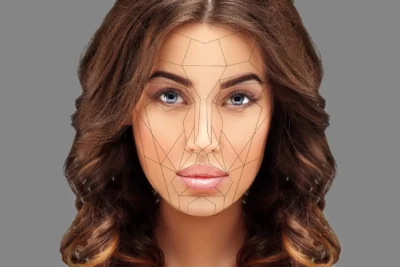
Hyaluronic acid fillers used in aesthetic medicine are biocompatible gel formulations. These preparations, which have high tissue compatibility, are injected into areas determined by the qualified aesthetic physician to provide volume support, strengthen the balance of the facial oval, and create a natural lifting effect. Thanks to developments in hyaluronic acid technology, formulations with different viscosity levels are designed to suit different tissue layers and anatomical areas.
While high-viscosity formulations are generally preferred in areas requiring deep tissue support, more fluid preparations are used to reduce fine superficial lines. This personalized planning ensures both natural-looking results and the preservation of the safety profile. The selection of the appropriate formulation is directly related to the experience of the qualified aesthetic physician and their ability to perform an anatomical assessment.
One of the most important characteristics of hyaluronic acid is that it can naturally break down in the body over time. This biological property also forms the basis of the filler dissolving procedure, as hyaluronic acid has a molecular structure that can be recognized and broken down by specific enzymes.
Why Is Hyaluronic Acid Filler Dissolved?
The decision to dissolve filler is always the result of an individual assessment and a comprehensive consultation process with a qualified aesthetic physician. There may be multiple reasons behind choosing this procedure:
- Aesthetic expectations not being met: The appearance achieved after the procedure may not correspond to the natural result the person envisioned. In this case, dissolving the existing filler and replanning the treatment may be considered.
- Development of asymmetry: Imbalances that disrupt the balance of the facial oval may be corrected by partially or completely dissolving the filler.
- Feeling of overfilling: When excessive volume develops in certain areas, the dissolving procedure may be performed to restore tissue harmony.
- Complication management: Although rare, conditions such as vascular complications, nodule formation, or inflammation that may develop after injection are among the medical indications that may require urgent dissolving.
- Filler migration: Over time, displacement of the filler material from the treatment area may lead to undesirable changes in facial anatomy.
- Change in personal preference: Changes in aesthetic preferences over time may lead a person to have their existing filler reversed.
- Resetting before planning a new treatment: Clearing the existing material before switching to a different filler protocol allows for more accurate and personalized planning. This approach also supports achieving more consistent and sustainable aesthetic results in the long term.
Can Every Filler Be Dissolved?
This question is one of the most fundamental questions that comes to the mind of many people considering the filler dissolving process. Although the answer is clear, it involves some important distinctions.
Hyaluronic acid-based fillers can be dissolved using an enzyme called hyaluronidase. This enzyme breaks down the chemical bonds of the hyaluronic acid molecule, allowing the filler to dissolve within the tissue. Therefore, in principle, all filler preparations containing hyaluronic acid are suitable for dissolving.
However, there are also filler materials on the market made from components other than hyaluronic acid. Permanent or semi-permanent fillers containing substances such as calcium hydroxylapatite, poly-L-lactic acid, or polymethylmethacrylate do not respond to the hyaluronidase enzyme. These types of fillers cannot be dissolved; therefore, the decision to use such materials requires much greater consideration.
Another important point is how long ago the filler was administered. Hyaluronic acid fillers naturally begin to break down in the body over time; therefore, the effectiveness of the dissolving procedure may vary in older treatments. The qualified aesthetic physician evaluates the presence and placement of the filler using supportive methods such as ultrasound imaging and plans the dissolving protocol on an individualized basis.
As a result, the applicability of the dissolving procedure should be considered individually in every case, and this decision must be made by an experienced specialist. Even if the type of filler used is not known with certainty, the qualified aesthetic physician can perform the necessary evaluation and provide the appropriate guidance.
How Is the Filler Dissolving Procedure Performed?
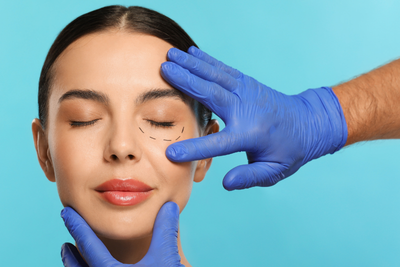
The filler dissolving procedure is a clinical treatment performed by a qualified aesthetic physician within the framework of a specific protocol. The process generally includes the following steps:
- Consultation and evaluation: The physician evaluates the person’s previous filler treatments, the type of material used, and the reason for dissolving in detail. A personalized plan is created by taking facial anatomy and tissue compatibility into consideration.
- Allergy sensitivity test: In some cases, a skin test may be performed before the hyaluronidase enzyme is administered. This step helps identify potential allergic reactions in advance.
- Preparation of the area: The treatment area is cleaned and, when considered necessary, a topical anesthetic cream is applied to ensure the person’s comfort. This stage is important both for hygiene and for comfort during the procedure.
- Hyaluronidase injection: The enzyme is injected into the tissue layer containing the filler using a fine needle or cannula. The correct injection technique is crucial in terms of both efficacy and safety.
- Observation period: After the injection, the person is kept under observation in the clinical setting for a short period. Any immediate reactions are assessed at this stage.
- Evaluation of the result: The adequacy of the dissolving procedure is observed by the physician during the follow-up appointment. If necessary, an additional treatment may be planned as part of a holistic approach.
How Long Does the Filler Dissolving Procedure Take and When Are the Results Visible?
The duration of the filler dissolving procedure and the speed at which results become apparent vary depending on several different factors. These factors primarily include the amount of filler used, the depth at which it is placed, the density of the material used, and the individual’s tissue structure.
The procedure itself is generally quite brief. When the preparation and observation stages are included, the total clinical time may vary depending on the complexity of the case. Dissolving procedures performed in simple and limited areas can be completed more quickly, while cases involving larger areas or requiring multiple sessions may take longer.
In terms of when the results become visible, the hyaluronidase enzyme begins to act quite rapidly after injection. Initial changes can generally be noticed within a short period; however, it may be necessary to wait several days for the final result to become clear. Temporary swelling or redness may be observed in the area during this process; this is a natural part of restoring tissue harmony.
In some cases, a single session is sufficient, while additional sessions may be required for denser or deeply placed fillers. During the follow-up assessment, the qualified aesthetic physician evaluates the adequacy of the dissolving procedure and plans the next step as part of a holistic approach. Therefore, being patient and following the physician’s recommendations supports the process in progressing in the healthiest possible manner. An individualized follow-up plan directly affects both safety and long-term satisfaction.
What Are the Risks and Side Effects of the Filler Dissolving Procedure?
When performed by qualified professionals under appropriate clinical conditions, the filler dissolving procedure has a high safety profile. However, as with any medical intervention, certain side effects and risks may occur.
The most common temporary side effects include swelling, redness, tenderness, and mild bruising at the treatment site. These symptoms generally resolve spontaneously within a short period and do not require any additional intervention.
Less common but noteworthy conditions include an allergic reaction to the hyaluronidase enzyme, volume loss caused by temporary excessive dissolving in the area, and tissue irregularity. Therefore, it is important to perform an allergy sensitivity assessment before the procedure.
It should be remembered that the hyaluronidase enzyme has a non-selective mechanism of action; in other words, it may affect not only the injected filler but also the natural hyaluronic acid reserves in the area. This may create a temporary sensation of dryness or volume reduction; however, the body continues to produce its own hyaluronic acid over time.
The risk of infection increases when procedures are performed under non-sterile conditions. Therefore, having the procedure performed in an appropriate clinical environment by an experienced qualified aesthetic physician is of critical importance in terms of both safety and efficacy. The quality of the clinical environment and the physician’s experience play a direct role in minimizing potential risks.
What Should Be Considered After the Filler Dissolving Procedure?
After the filler dissolving procedure, it is highly important to follow certain recommendations to support the healing process and minimize potential complications. These recommendations should be considered together with the personalized guidance provided by your qualified aesthetic physician.
After the procedure, unnecessary touching or rubbing of the treatment area should be avoided. The area needs to rest so that tissue harmony can be restored. Intense physical activity, saunas, Turkish baths, and exposure to excessive heat are not recommended during the first few days, as these factors may increase swelling in the area.
Direct exposure to sunlight may also negatively affect skin quality during the healing process. Using a high-protection-factor sunscreen may be considered a supportive measure during this period.
Alcohol consumption should be limited for the period recommended after the procedure, as alcohol may contribute to vasodilation and increased swelling.
If unexpected pain, excessive swelling, discoloration, or an increase in temperature is observed in the area, a physician should be consulted without delay. These signs may be early indicators of complications that may rarely develop.
Attending follow-up appointments regularly is an integral part of the process in terms of evaluating the adequacy of the dissolving procedure and, if necessary, creating a new personalized treatment plan. Following the care routine recommended by the physician is one of the most important steps supporting the healing process positively.
Is Lip Filler Dissolving Different From Other Areas?
The lip area has a unique structure within facial anatomy. Lips differ from other facial areas in terms of vascular density, tissue sensitivity, and mobility, and these characteristics also create certain differences in the filler dissolving process.
- Tissue sensitivity: The lip area has a more sensitive tissue structure compared with areas such as the cheeks or forehead. Therefore, swelling and tenderness may be felt more noticeably after the procedure than in other areas.
- Vascular density: The rich vascular network of the lips requires careful planning of both the injection technique and enzyme dosage. Correct injection directly affects the safety profile.
- Duration of swelling: Temporary swelling in the lip area may last longer compared with other areas. This is a reflection of the tissue structure and generally resolves spontaneously.
- Speed of visible effect: The results of filler dissolving in the lips can be noticed relatively quickly due to the anatomical structure; however, it is necessary to wait several days for the final appearance to become clear.
- Personalized dosage planning: The amount of enzyme to be used in the lip area is individually determined by the qualified aesthetic physician, taking into account the sensitivity of the area and the density of the filler.
- Symmetry assessment: Since the lips are an area frequently used in facial expressions and daily movements, symmetry assessment after dissolving should be performed with particular care.
All these differences once again demonstrate the importance of having lip filler dissolving performed by an experienced specialist.
Who Should Perform the Filler Dissolving Procedure?
Although the filler dissolving procedure may appear to be a superficial cosmetic treatment, it is actually a clinical intervention that requires in-depth knowledge of facial anatomy, tissue layers, and enzyme pharmacology. Therefore, the question of who should perform the procedure is critically important in terms of both safety and efficacy.
The filler dissolving procedure should be performed by physicians specializing in dermatology, plastic surgery, or medical aesthetics, who are knowledgeable about facial anatomy and experienced in administering hyaluronidase. A qualified aesthetic physician does not merely inject the enzyme; they also assess potential complications in advance, evaluate allergy sensitivity, determine the appropriate dosage, and manage the post-procedure process.
The quality of the clinical environment also plays a decisive role in this process. Sterile conditions, appropriate medical equipment, and the capacity for emergency intervention are factors that directly affect the safety profile. Therefore, it is recommended that filler dissolving procedures be performed only in authorized and properly equipped clinics.
Dissolving procedures offered on social media or in beauty centers without medical supervision may carry serious risks. Working with a qualified aesthetic physician who follows a holistic approach and personalized planning, while prioritizing biocompatibility and safety standards, is the most fundamental factor determining the quality of both the process and the outcome. Choosing the right specialist not only directly affects the success of the procedure but also protects the person’s overall health and safety.