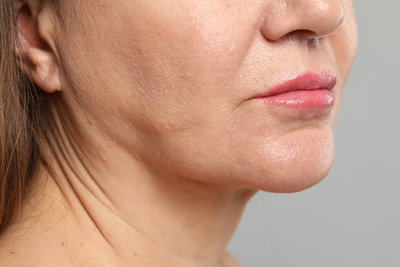
One of the most popular trends in facial aesthetics in recent years is achieving a slim and well-defined jawline, known as the V-shape. This aesthetic appearance helps the face look younger, more dynamic, and more proportionate. Chin filler is one of the most effective ways to achieve this effect without surgical intervention. Thanks to modern aesthetic procedures, it is now much easier to enhance facial contours and achieve a more elegant profile. In this article, we will examine in detail what the V-shape effect is, how chin filler is applied, who it is suitable for, and what should be considered after the procedure.
What Is the V-Shape Effect and How Does It Contribute to Facial Aesthetics?
The V-shape effect refers to a facial contour in which the upper part of the face is wider while the jawline tapers downward and becomes more pointed. This appearance makes the face look younger and more dynamic. Due to natural aging, genetic factors, or facial asymmetry, some individuals may not have a sufficiently defined jawline. The V-shape effect corrects this and gives the face a more aesthetic appearance.
In facial aesthetics, the V-shape is not limited only to the chin. The cheeks, jawline, and neck area must be shaped harmoniously. Chin filler plays a critical role in achieving this balance. Especially when applied to the lower third of the face, it improves the profile view and optimizes overall facial harmony. In addition, the V-shape effect makes the face appear optically slimmer and gives a more elegant look.
This aesthetic approach is suitable for both women and men. In women, the goal is a more feminine and delicate jawline, while in men, a more masculine and prominent jaw structure is desired. In both cases, the aim is to achieve the most harmonious look specific to the individual while preserving natural facial proportions.
What Is Chin Filler and How Is It Applied?
Chin filler is a minimally invasive aesthetic procedure performed to make the chin more defined, pointed, and aesthetically pleasing. During this procedure, special dermal fillers are injected into the chin to add volume and correct its shape. Since it does not require surgery, it allows a quick return to daily life and is usually performed under local anesthesia.
Chin filler is used not only for aesthetic purposes but can also help correct functional issues. Asymmetry, volume loss, or shape irregularities in the chin can be corrected with this method. Before the procedure, a facial analysis is performed by a specialist physician to determine the most suitable filler amount and technique according to the patient’s facial structure. This analysis is critical to the success of the procedure.
During the treatment, filler is placed at strategic points on the chin. This enhances the jawline definition and improves overall facial balance. The procedure usually takes 15 to 30 minutes, and the patient can return home the same day. Chin filler is one of the fastest-result and lowest-risk facial contouring procedures.
Filler Materials Used
The most commonly used materials for chin filler are hyaluronic acid–based fillers. Since hyaluronic acid is a substance naturally found in the body, it is biocompatible and has a very low risk of allergic reactions. These fillers are produced in different densities, and denser formulations are preferred for areas like the chin that require structural support.
Hyaluronic acid fillers are gradually absorbed by the body and therefore offer a temporary solution. However, this is also an advantage, as unwanted results can fade over time or be quickly dissolved with special enzymes. Hyaluronic acid products used for chin filler typically last between 12 and 18 months.
Application Technique and Duration
When performed by an experienced physician, chin filler is a very safe and effective procedure. Before the application, a topical anesthetic cream is applied, or discomfort is minimized thanks to the local anesthetic contained in the filler itself. In some cases, nerve block anesthesia may also be preferred.
During the procedure, fine-tipped needles or blunt-tipped cannulas are used. Cannulas reduce the risk of vascular injury and allow easier distribution of the filler over a wider area. The physician places the filler at strategic points according to the anatomical structure of the chin, usually in the center and sides of the chin.
The technique is customized according to the patient’s facial structure. In some patients, filler only in the chin is sufficient, while in others, additional filler along the jawline may be necessary. The procedure usually takes 15 to 30 minutes, and patients can immediately return to daily activities. Apart from mild pressure or minimal discomfort, significant pain is not expected.
Pre-Procedure Preparation
Following certain preparation steps before chin filler increases the success of the procedure and reduces the risk of complications. The first step is a detailed consultation with an experienced physician, during which expectations, medical history, and facial structure are evaluated. The physician determines the most suitable filler type and amount.
At least one week before the procedure, it is recommended to stop using blood-thinning medications, aspirin, anti-inflammatory drugs, and certain supplements such as vitamin E and fish oil, as these can increase the risk of bruising and swelling. If you regularly use such medications, you should consult your physician.
On the day of the procedure, it is recommended to arrive at the clinic with clean, makeup-free skin. Alcohol consumption should be stopped at least 24 hours before the procedure, as alcohol increases blood flow and the risk of bruising. Drinking plenty of water beforehand helps keep the skin hydrated and elastic. While driving after the procedure is usually not an issue, having a companion may help you feel more comfortable.
Who Is Chin Filler Suitable For?
Chin filler can be a suitable option for any adult over the age of 18 who has completed facial development. It is especially beneficial for individuals with insufficient chin definition, jawline asymmetry, or volume loss in the chin due to aging. It is also an effective solution for those with a weak or retruded chin caused by genetic factors.
Chin filler is ideal for individuals who want to achieve a V-shape effect and make their face look slimmer and more elegant. It is also beneficial for improving the profile view, defining the lower third of the face, or clarifying the transition between the chin and neck. A more masculine jawline in men and a more feminine one in women can be achieved.
However, the procedure is not suitable for pregnant or breastfeeding women, individuals with active infections, known allergies to filler materials, or active skin diseases in the treatment area. People with autoimmune diseases, bleeding disorders, or serious heart conditions should consult their physician. In all cases, suitability is determined through a comprehensive evaluation before the procedure.
How Is Jawline Contouring Performed for the V-Shape Effect?
Achieving the V-shape effect through jawline contouring is not limited to focusing solely on the chin. This aesthetic goal requires a holistic evaluation of the face. Chin filler is often combined with jawline filler to create a sharp and defined contour in the lower face.
During the procedure, the physician analyzes the natural anatomy and proportions of the face. According to aesthetic principles such as the golden ratio, the position of the chin, the angle of the jawline, and the width of the face are evaluated. Based on this analysis, the amount and placement of filler are determined to create a natural yet defined V-shape.
Jawline contouring usually starts from the chin and extends along the sides of the jawline. This makes the lower face appear slimmer and longer. In some cases, light filler may also be applied to the lower cheeks to create a stronger contrast between the upper and lower face, enhancing the V-shape effect.
Applications According to Different Face Types
Each face type requires a different approach, and chin filler applications should be customized accordingly. For round faces, the goal is to elongate the face and create a V-shape by adding projection to the chin. In such cases, filler may also be applied along the jawline to balance facial width.
For square face shapes, the focus is on making the chin more pointed and softening the jawline. In this case, emphasis is placed on the chin while minimal or no filler is applied to the jaw angle. The aim is to soften a strong, angular appearance and achieve a more elegant or feminine jawline.
Oval faces are generally considered ideal, and chin filler is usually used for subtle refinements. For long faces, instead of increasing chin projection, enhancing jawline width may help balance facial proportions. In all cases, the physician’s experience and aesthetic judgment are crucial for a successful outcome.
Techniques to Make the Face Look Slimmer
Techniques used to make the face look slimmer with chin filler rely on optical illusions. Making the chin more defined and pointed creates the impression of a longer lower face, which alters facial proportions and results in a slimmer appearance. Sharpening the jawline also enhances the side profile.
Another technique involves combining chin filler with subtle cheek filler. This creates a stronger contrast between the upper and lower face, making the face appear slimmer. However, this technique must be applied carefully, as excessive cheek filler can make the face look wider.
Additionally, botulinum toxin or filler applied to the submental area can help define the neck and jawline. Fat accumulation or laxity under the chin can make the face look fuller. Correcting this area enhances jawline definition and strengthens the V-shape effect. All these techniques should be planned individually and applied in harmony with natural facial proportions.
Advantages of Facial Contouring with Chin Filler
Chin filler allows facial contouring without surgical intervention, which is one of its greatest advantages. There are no surgical risks, long recovery periods, or anesthesia-related complications. The procedure is completed quickly in a clinical setting, and patients can return home the same day, making it ideal for individuals with busy schedules.
Another major advantage is that results are visible immediately. Although mild swelling may occur, changes in the jawline are noticeable right away. As swelling subsides over a few days, the final result becomes clearer. This makes chin filler an excellent option for those seeking quick aesthetic improvement before special events.
Chin filler is also a reversible procedure. Hyaluronic acid fillers can be dissolved with special enzymes if the result is unsatisfactory, increasing safety and patient confidence. Since the filler is gradually absorbed by the body, the results are not permanent, allowing flexibility in future decisions. This reversibility distinguishes chin filler from many other aesthetic procedures.
Minimal side effects and a low risk of complications are additional advantages. When performed by an experienced physician, serious complications are rare. Temporary side effects such as mild swelling, redness, or bruising may occur but usually resolve within a few days. Pain is minimal and easily managed with topical anesthesia.
What Should Be Considered After Chin Filler?
Post-procedure care directly affects the success and longevity of chin filler results. Following simple rules in the first few days reduces the risk of complications and speeds up recovery. Carefully following your physician’s recommendations is key to achieving the best results.
Mild swelling, redness, or tenderness in the treated area is normal and usually subsides within 2 to 3 days. However, if you experience excessive swelling, severe pain, color changes, or difficulty breathing, you should contact your physician immediately. Although rare, early intervention is important.
Adhering to aftercare instructions improves result quality. Avoid excessive pressure, hard massage, and sleeping face-down in the first few days. Excessive sun exposure in the early weeks can cause filler displacement or pigmentation issues, so using a high-SPF sunscreen is recommended.
What to Do in the First 24 Hours
The first 24 hours after the procedure are critical for proper filler placement and shaping. During this time, avoid touching, rubbing, or massaging the area. Since the filler has not fully settled, excessive manipulation may cause it to shift.
When washing your face, be gentle and use lukewarm water instead of hot water to help reduce swelling. Avoid makeup for the first 24 hours, as cosmetic products can increase infection risk and apply pressure to the treated area.
Avoid heavy exercise, sauna, steam rooms, or hot showers that increase body temperature during the first 24 hours. These activities can increase blood flow and raise the risk of swelling and bruising. Alcohol should also be avoided for 24 to 48 hours due to its blood-thinning effect. Sleeping with your head elevated, using an extra pillow, can help reduce swelling.
Recovery Process and Care
Recovery after chin filler is usually quick, and most people return to normal activities within a few days. Swelling and redness decrease within the first 2 to 3 days and typically disappear completely within a week. Mild bruising may occur in some individuals but can usually be concealed with makeup.
Keeping the skin well hydrated during recovery is important. Drinking plenty of water benefits overall health and skin quality. Using gentle, moisturizing skincare products supports healing, while harsh chemicals, chemical peels, and active ingredients such as retinol should be avoided during the first week.
For the first two weeks, avoid facial massages, dermatological treatments, or dental procedures that may affect the chin area. Attending follow-up appointments is essential, as the physician can check filler placement and make minor adjustments if necessary. Regular follow-up is an important part of achieving optimal results.
In the long term, maintaining a healthy lifestyle can improve filler longevity. Smoking can cause fillers to break down more quickly. Balanced nutrition, adequate sleep, stress management, and sun protection help preserve both skin quality and aesthetic results.
How Long Does Chin Filler Last?
The longevity of chin filler depends on the type of filler used, individual metabolism, and lifestyle factors. Hyaluronic acid fillers, the most commonly used type, typically last between 12 and 18 months, though this may vary from person to person.
Factors affecting longevity include age, skin quality, metabolic rate, and lifestyle habits. Younger individuals with healthier skin often experience longer-lasting results. Regular exercise and a fast metabolism may lead to quicker filler absorption, while smoking and excessive sun exposure can shorten longevity.
Chin filler is gradually and naturally absorbed by the body, and its effect diminishes over time. To maintain results, the procedure needs to be repeated at certain intervals. Most people opt for maintenance treatments once or twice a year. Regular touch-up sessions help preserve jawline definition and delay visible signs of aging.
Frequently Asked Questions
Which fillers are suitable for achieving the V-shape effect?
High-density hyaluronic acid–based fillers are most suitable for achieving the V-shape effect. These fillers provide sufficient projection and support in areas like the chin that require structural enhancement. Cross-linked hyaluronic acid formulas offer longer-lasting and better contouring results. The choice of filler is determined by the physician after evaluating facial structure.
Is chin filler painful?
Chin filler is usually performed with minimal discomfort thanks to topical anesthetic cream or local anesthetic contained in the filler. Most patients feel only mild pressure or a slight needle prick. Pain tolerance varies by individual, but overall the procedure is easily tolerated. Mild tenderness may occur for a few hours afterward but resolves quickly.
When can daily activities be resumed after chin filler?
Most people can resume normal activities on the same day or the following day. Since the procedure is minimally invasive, there is no lengthy recovery period. However, heavy exercise, sauna use, or hot showers should be avoided for 24 to 48 hours. Any mild swelling or redness usually subsides within a few days.
What is the difference between chin filler and jawline filler?
Chin filler focuses specifically on enhancing projection and definition of the chin. Jawline filler, on the other hand, covers a broader area extending from the chin along the sides of the jaw. Jawline filler shapes the entire lower facial contour and is often combined with chin filler to achieve the V-shape effect. Chin filler is more localized, while jawline filler provides comprehensive facial contouring.
What is the average amount of filler needed for the V-shape effect?
The required filler amount depends on facial structure, chin anatomy, and desired outcome. Generally, 1 to 2 ml of filler may be sufficient for the chin alone, while 2 to 4 ml may be needed if the jawline is also contoured. The exact amount is determined after facial analysis, with the goal of achieving a natural-looking result.
Are chin filler results visible immediately?
Yes, results are visible immediately after the procedure. Increased chin projection and definition can be noticed right away. However, mild swelling in the first few days may temporarily affect the appearance. As swelling subsides, the final result becomes clearer, with optimal appearance usually achieved within one week.